






One of the most stressful parts of new parenthood is getting your baby to sleep. But here's something many parents overlook: the way you dress your baby for sleep might be sabotaging those precious hours of rest. Too many layers, the wrong fabric, or misunderstanding room temperature can leave your baby uncomfortable and waking throughout the night.
The truth is, knowing how to dress baby for sleep isn't complicated once you understand a few foundational concepts. This guide covers TOG ratings, room temperature, practical age-based tips, and pediatrician-backed safety guidance for every season, including what your newborn should wear to sleep at every temperature range.
What is TOG?
TOG stands for "Thermal Overall Grade," a measurement system that rates fabric warmth on a standardized scale. It removes guesswork from choosing sleep sacks and pajamas by providing concrete insulation values.
TOG ratings typically range from 0.5 (lightweight, minimal insulation) to 2.5 (maximum warmth). Here's the practical breakdown:
- 0.5 TOG: Minimal insulation for warm months (75°F+)
- 1.0 TOG: Light warmth for transitional seasons (70-75°F)
- 2.5 TOG: Standard warmth for most climates (60-70°F), perfect for 2.5 Tog Sleep Bags
Sleep bags and blankets may come in different TOG ratings based on material, thickness, and construction, which is why understanding TOG helps you make informed decisions regardless of brand or style.
Why TOG Rating Matters for Safety
Temperature regulation directly impacts your baby's safety. Research has shown connections between overheating and increased risk of Sudden Infant Death Syndrome (SIDS), particularly during the first year. As noted in research on infant sleep safety, maintaining a neutral thermal environment is crucial for reducing risks.
When a baby is too warm, they cannot self-regulate as effectively as older children. Their body temperature rises, they become uncomfortable, and they may spend more time in lighter sleep states rather than the deep, restorative sleep they need. Overheating can also cause sweating and skin discomfort, leading to frequent waking.
A baby who's too cold may use energy to stay warm, tensing up and waking more often, disrupting consolidated sleep. Choosing the right TOG keeps your baby in the "Goldilocks zone" and helps to reduce SIDS risk.
The Core Principle
Sleep bag TOG + room temperature = neutral thermal environment
Start here:
- Check your room temperature
- Select a sleep bag with appropriate TOG for that temperature
- Ensure base layers (onesies, pajamas) are appropriate for the room temperature
- Avoid blankets and loose bedding
- Perform regular temperature checks
How to Dress Your Baby by Temperature
Below 60°F (Very Cold) Use a 2.5 TOG sleep bag with:
- Long-sleeved onesie or thermal base layer
- Footed pajamas if the sleep bag is sleeveless
61-68°F (Cool Rooms) A 2.5 TOG sleep bag is ideal here. Layer with a light long-sleeved or short-sleeved onesie; footed pajamas are optional.
69-73°F (Ideal Range) Most experts consider this optimal for infant sleep. Use a 1.0 TOG sleep bag with just a short-sleeved onesie or diaper. Many babies sleep well with just a diaper inside a 1.0 TOG sleep bag.
74-78°F (Warm Rooms) Shift your focus to preventing overheating. Use a 0.5 TOG sleep bag or lightweight clothing:
- Diaper only with 0.5 TOG
- Short-sleeved onesie with 0.5 TOG
80°F+ (Hot Rooms) Minimal clothing is essential. Use diaper only or a lightweight short-sleeved onesie. Confirm any sleep sack is 0.5 TOG or designed for warmer climates. Prioritize air circulation over layering.

Best Fabrics for Sleep
Fabric choice matters more than most parents realize. An ultra-soft fabric that's buttery soft against baby's skin, breathable so little ones don't overheat, and lighter than cotton when the room warms up makes a real difference at bedtime. Moisture-wicking fabric helps keep your kiddo dry and comfortable from the first stretch of sleep through the early morning.
A smooth, super-stretchy weave also means less friction on delicate skin, which is one of the reasons our sleep bags are a favorite among families shopping for little ones with sensitive or eczema-prone skin. Our Kyte Baby Sleep Bags are designed with that softness, stretch, and breathability in mind, night after night.
Checking If Your Baby Is Comfortable
Whatever you decide on how to dress a newborn at night, always double-check comfort once they've settled. Use the neck/back test to verify actual temperature:
- Put your hand on your baby's neck or upper back after 10-15 minutes of sleep
- Feel the temperature and moisture level
- Compare to your own skin temperature
Too cold: Neck feels noticeably cool, possibly with goosebumps; baby might appear restless. Too warm: Neck feels hot, you notice perspiration, baby appears flushed or thrashing. Just right: Neck feels similar to your neck, warm but not hot, dry.
Dressing by Age
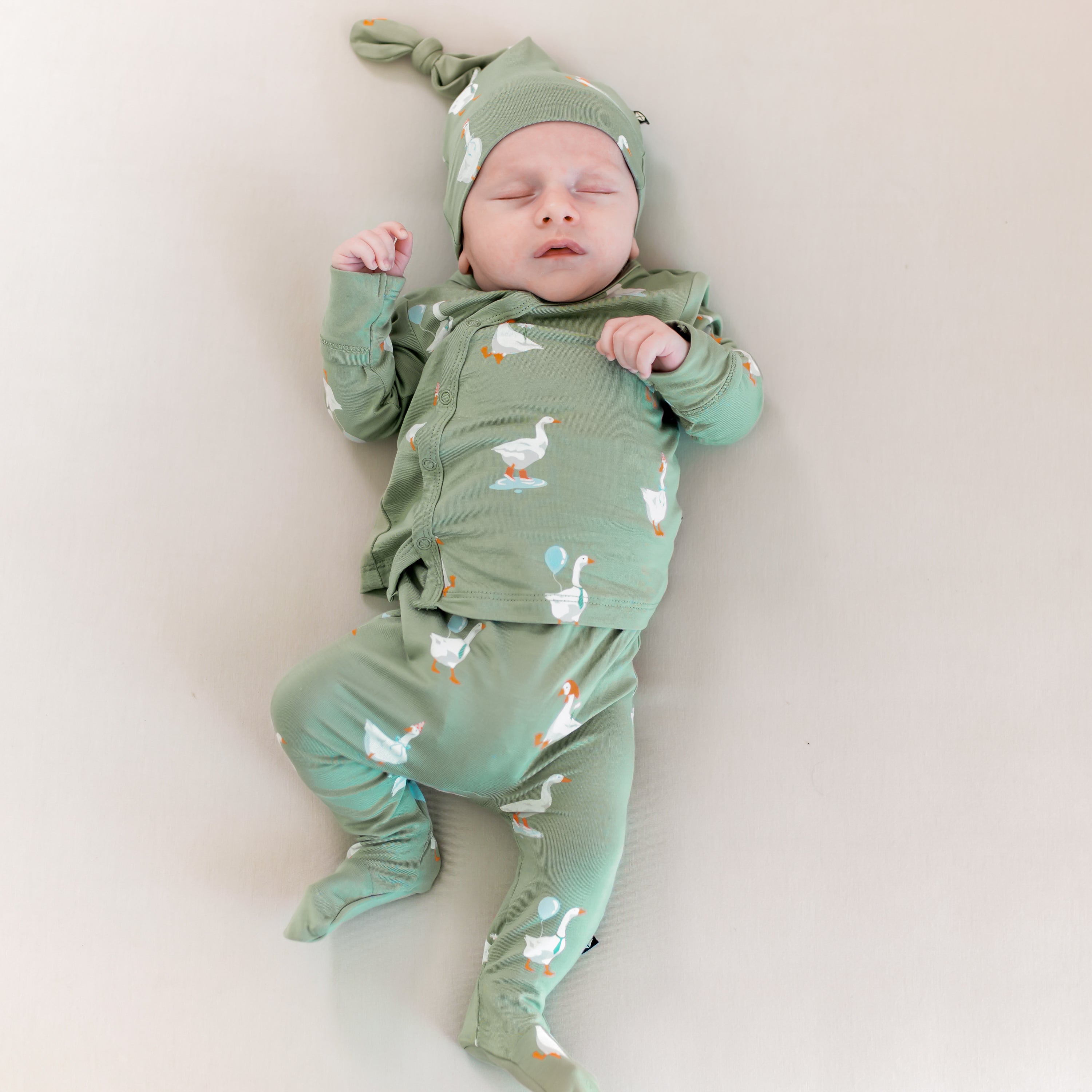
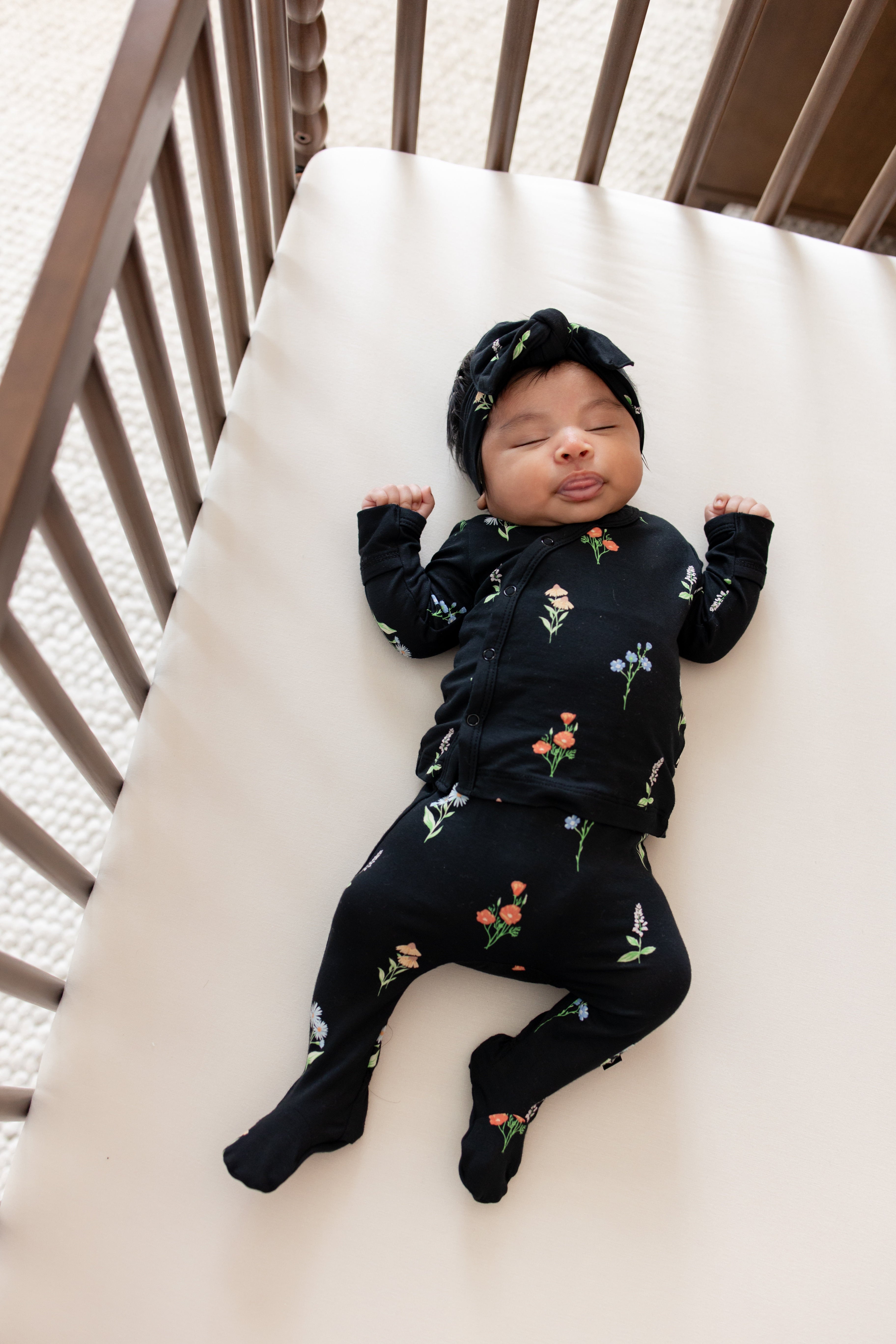
Newborns (0-3 months) Limited temperature regulation means consistent temperature is critical. If you've been asking what should my newborn wear to sleep, the short answer is a TOG-matched sleep sack plus a single base layer sized to the room. When you're figuring out how to dress a newborn at night, keep the layering simple: a breathable swaddle or sleep sack over a onesie is almost always the right call. For how to dress a newborn for bed in a 68-72°F room, pair a 1.0 TOG sleep sack with a short-sleeved onesie. In cooler rooms, swap in a long-sleeved onesie under a 2.5 TOG sack. Avoid the instinct to add an extra blanket or loose layer; the sleep sack already does the work.
Infants (3-12 months) Better temperature regulation allows more flexibility. Sleep sacks become your primary garment. Adjust TOG based on room temperature and season, adding or removing layers beneath as needed. Most 3-12 month olds sleep well with 1.0-2.5 TOG sleep sacks.
Toddlers (12+ months) Toddlers have better temperature regulation and can often communicate discomfort. Sleep sacks remain safe and effective, or transition to regular pajamas appropriate for room temperature. Avoid loose blankets; use fitted sheets instead.
Seasonal Transitions
Winter (60-68°F) A 2.5 TOG sleep bag is your workhorse. When deciding how to dress a newborn for bed on cold winter nights, pair a 2.5 TOG sack with a long-sleeved onesie and footed pajamas if the room sits at the lower end of the range. Don't over-layer; your baby isn't exposed to outdoor cold. Many parents overdress instinctively, but this risks overheating.
Spring & Fall (68-72°F) Use 1.0 TOG sleep sacks as your baseline. Keep both lighter and heavier options available for variable temperatures. Don't stress about perfect matching.
Summer (72-80°F) Use 0.5 TOG sleep bags or minimal clothing. Prioritize airflow; open windows if safe, use fans. Never overdress in summer. Check your baby more frequently for overheating signs.
TOG & Temperature Quick Reference Chart
Use this chart as a quick reference when choosing sleep sack TOG:
| Room Temperature | Recommended TOG | Underneath Clothing |
| Below 60°F | 2.5 TOG | Long-sleeved onesie + footed PJs |
| 60-65°F | 2.5 TOG | Long-sleeved onesie ± footed PJs |
| 65-70°F | 2.5 TOG | Short or long-sleeved onesie |
| 70-75°F | 1.0 TOG | Short-sleeved onesie or diaper |
| 75-80°F | 0.5 TOG | Diaper only or light onesie |
| 80°F+ | 0.5 TOG | Diaper only |
Special Sleep Sacks Worth Considering
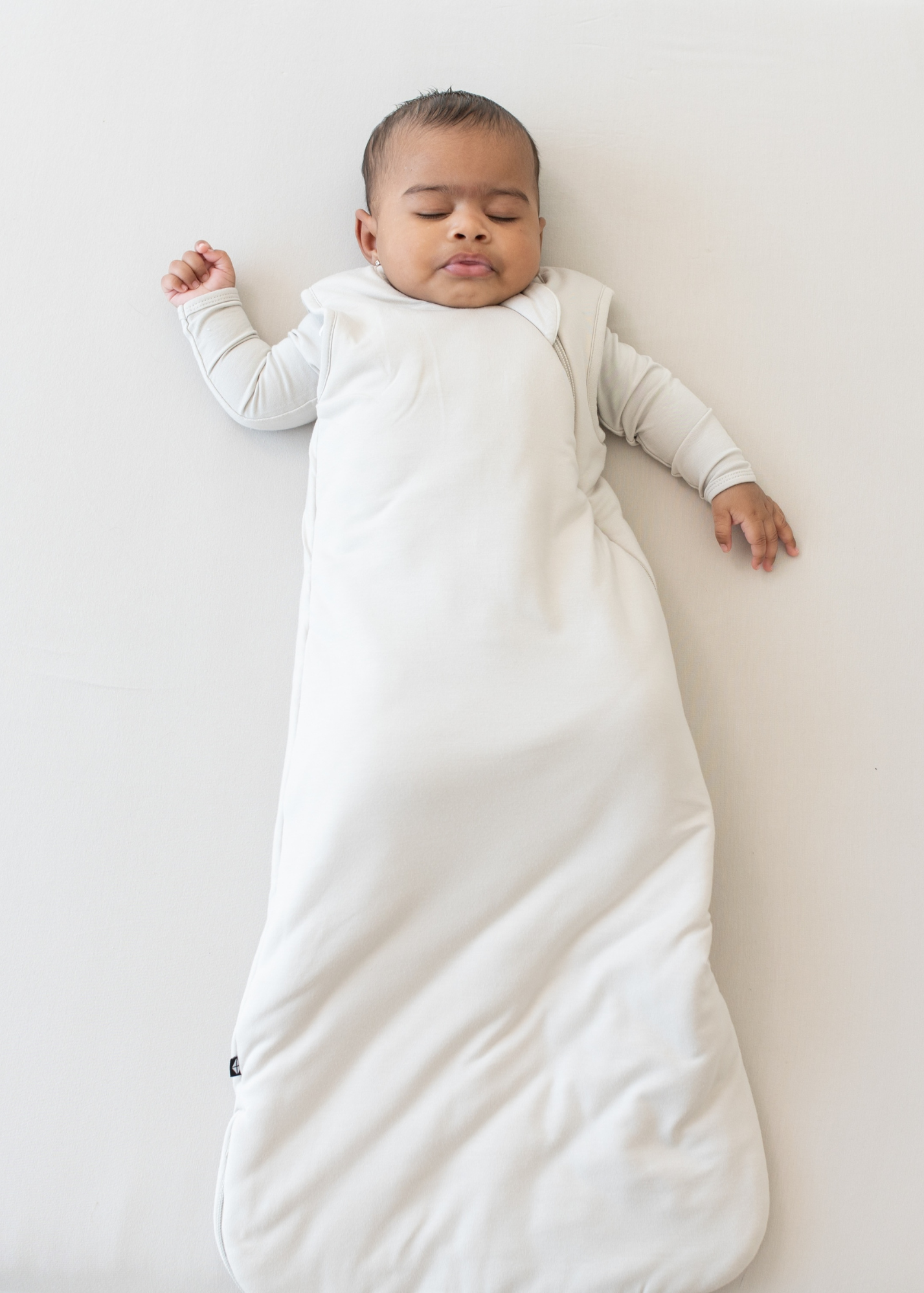
- 2.5 Tog Sleep Bags: ideal for cool to moderate temperatures, the most versatile option for most homes
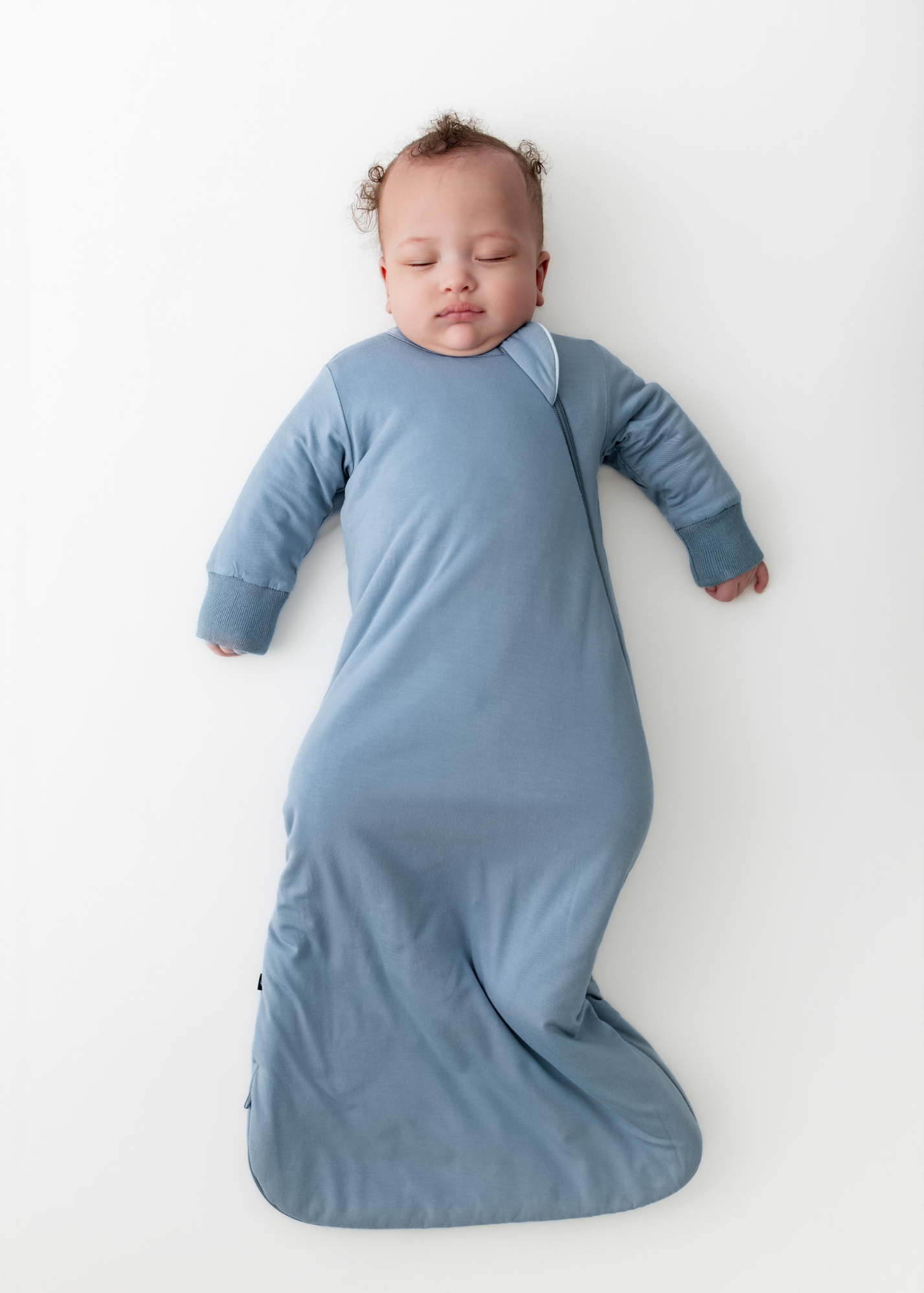
- Slumber Bags: designed for transitional seasons with balanced insulation
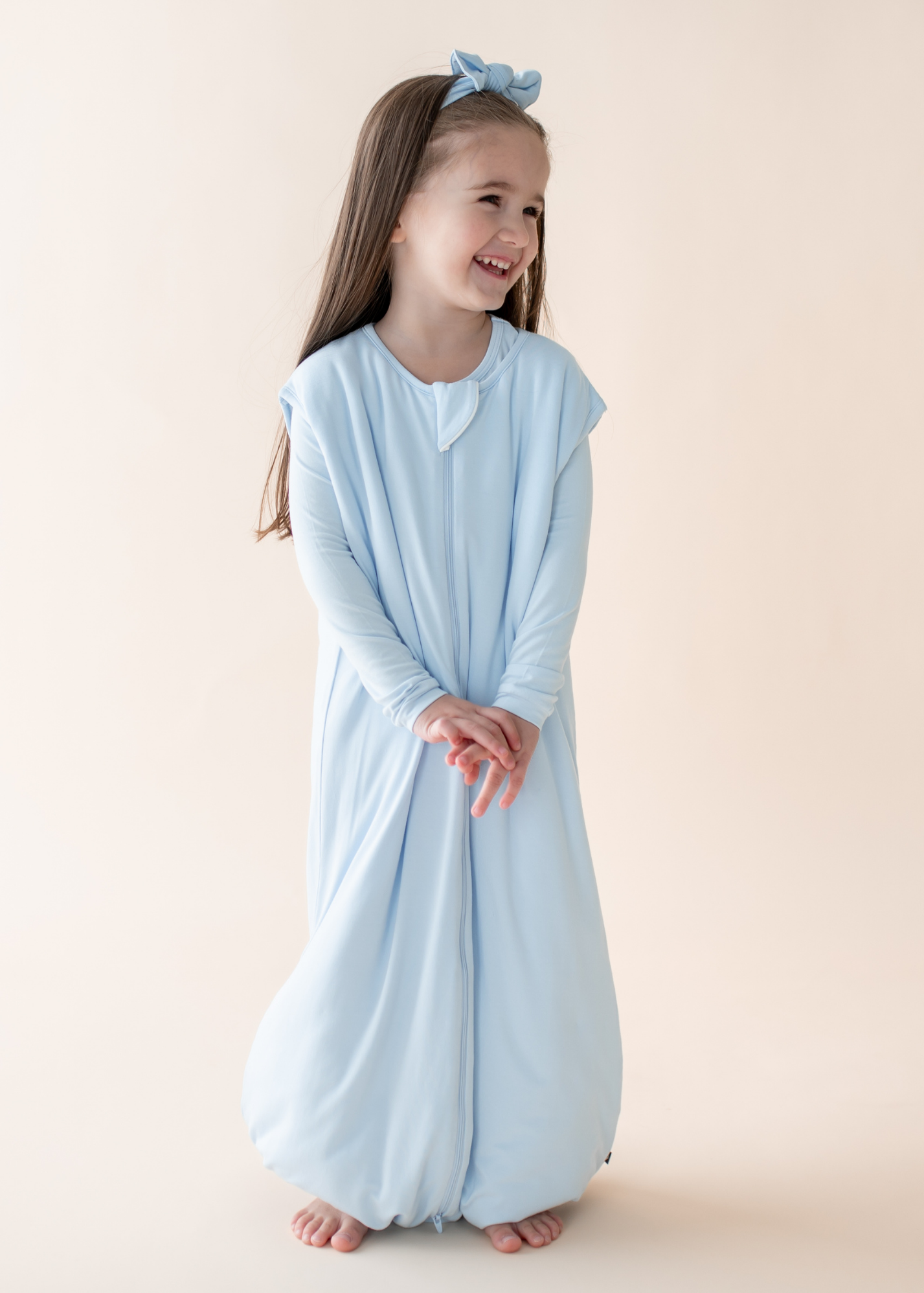
- Sleep Bag Walkers: perfect for mobile toddlers who need sleep security
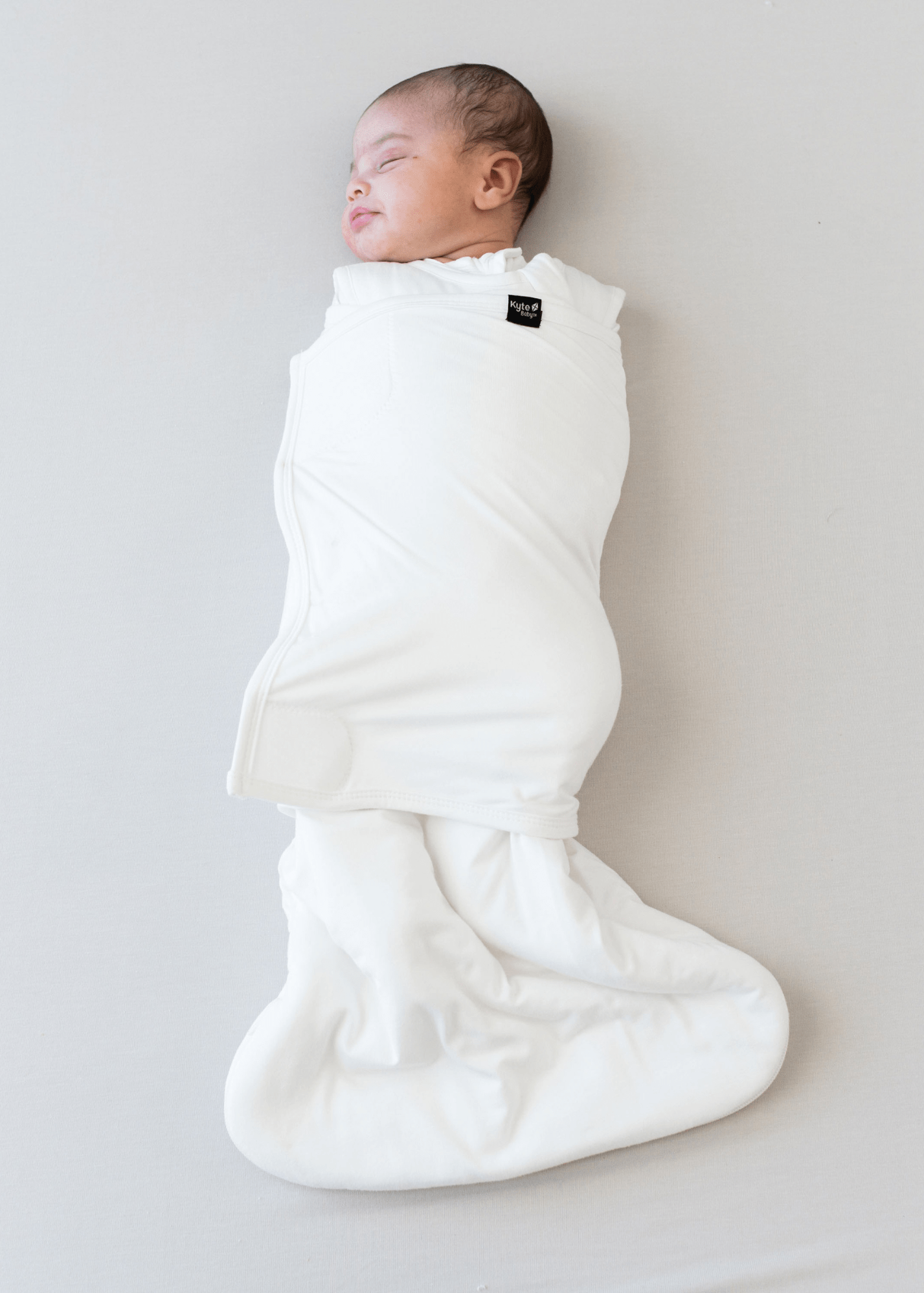
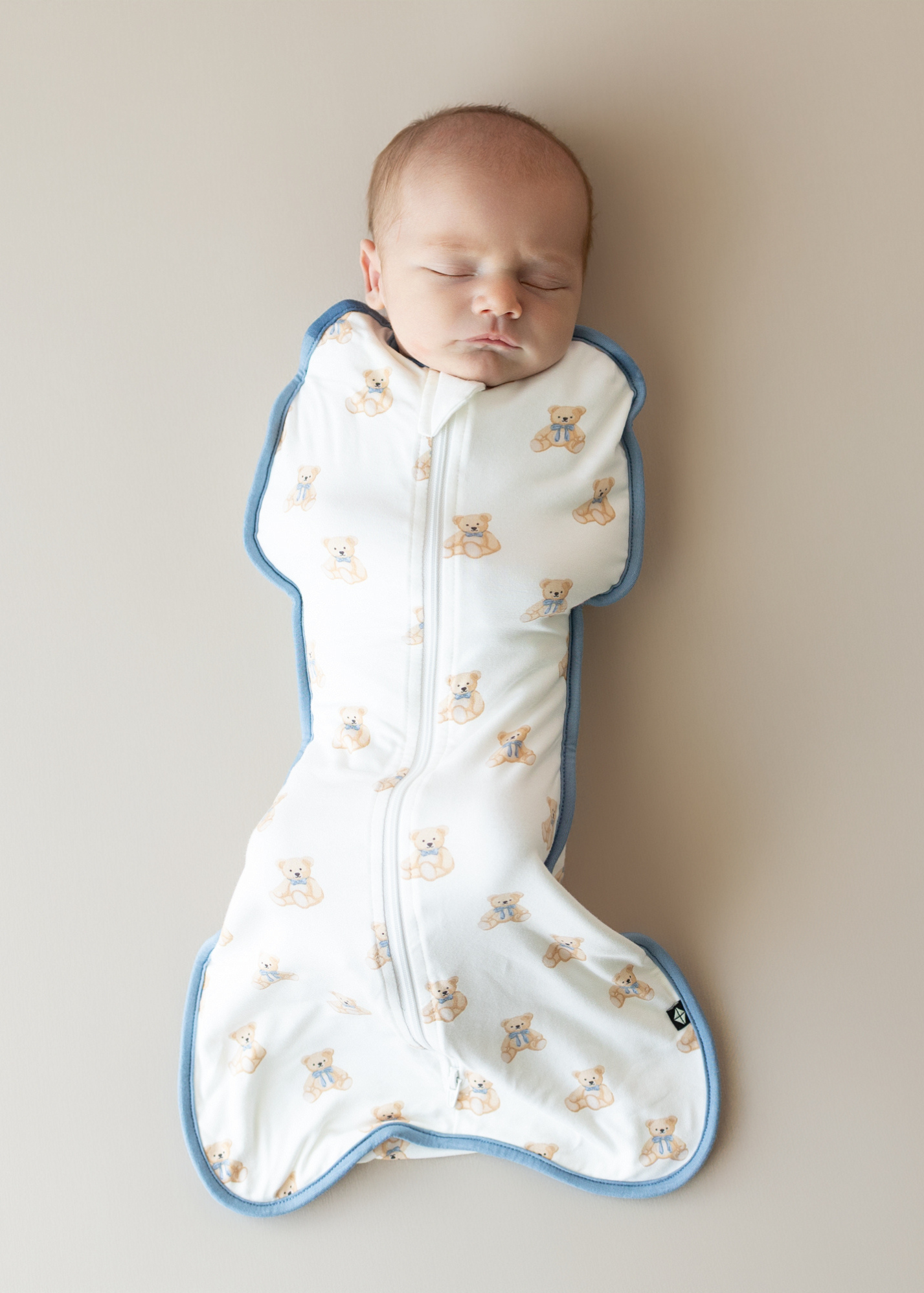
- Sleep Bag Swaddler: excellent for newborns requiring swaddling support
Key Takeaways
- Temperature is your baseline: measure your room and let that guide everything
- TOG ratings remove guesswork: use them as your primary tool for choosing sleep wear
- The neck/back test verifies your choice: confirm your baby is appropriately warm after adjustments
- Overheating is more common than underdressing: fight the instinct to add "just one more layer"
- Consistency helps babies develop better sleep: avoid frequent changes; adjust when needed, then observe
- Quality fabric supports better sleep: breathable, moisture-wicking materials helps to prevent discomfort
- Every baby is different: use these guidelines as a starting point, then adjust based on your baby's signals
The Bottom Line
Knowing how to dress baby for sleep isn't complicated: it's about matching TOG to room temperature and using ultra-soft, breathable fabric that keeps your little one comfortable all night. When you combine the right temperature and TOG with sleep wear designed for softness and stretch, sleep often improves noticeably.
Your baby spends roughly half their early life sleeping. Making that time comfortable and safe matters. With the right approach to sleep dressing, you're not just optimizing bedtime: you're building the foundation for consolidated sleep that benefits your baby's development and your family's wellbeing.