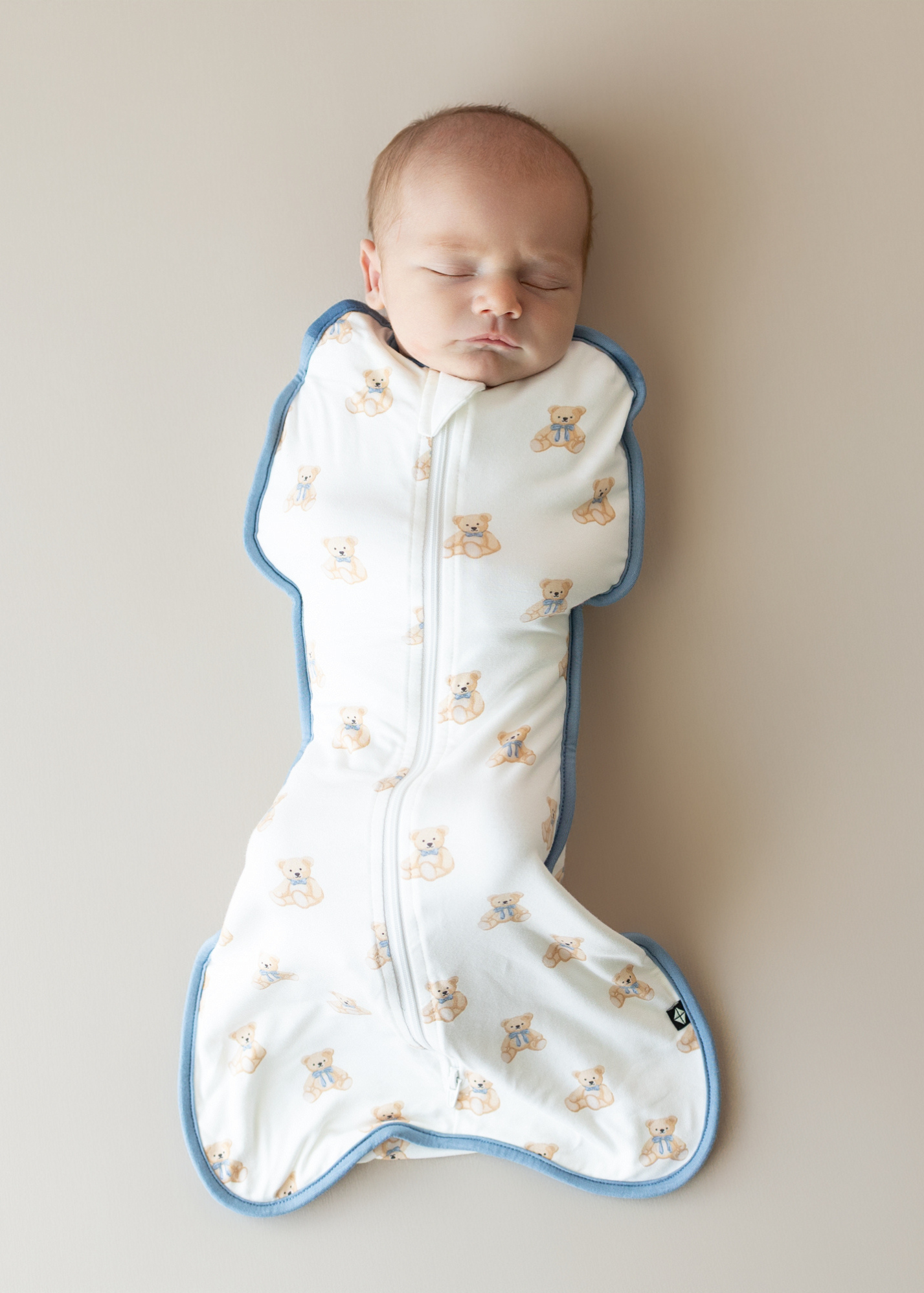
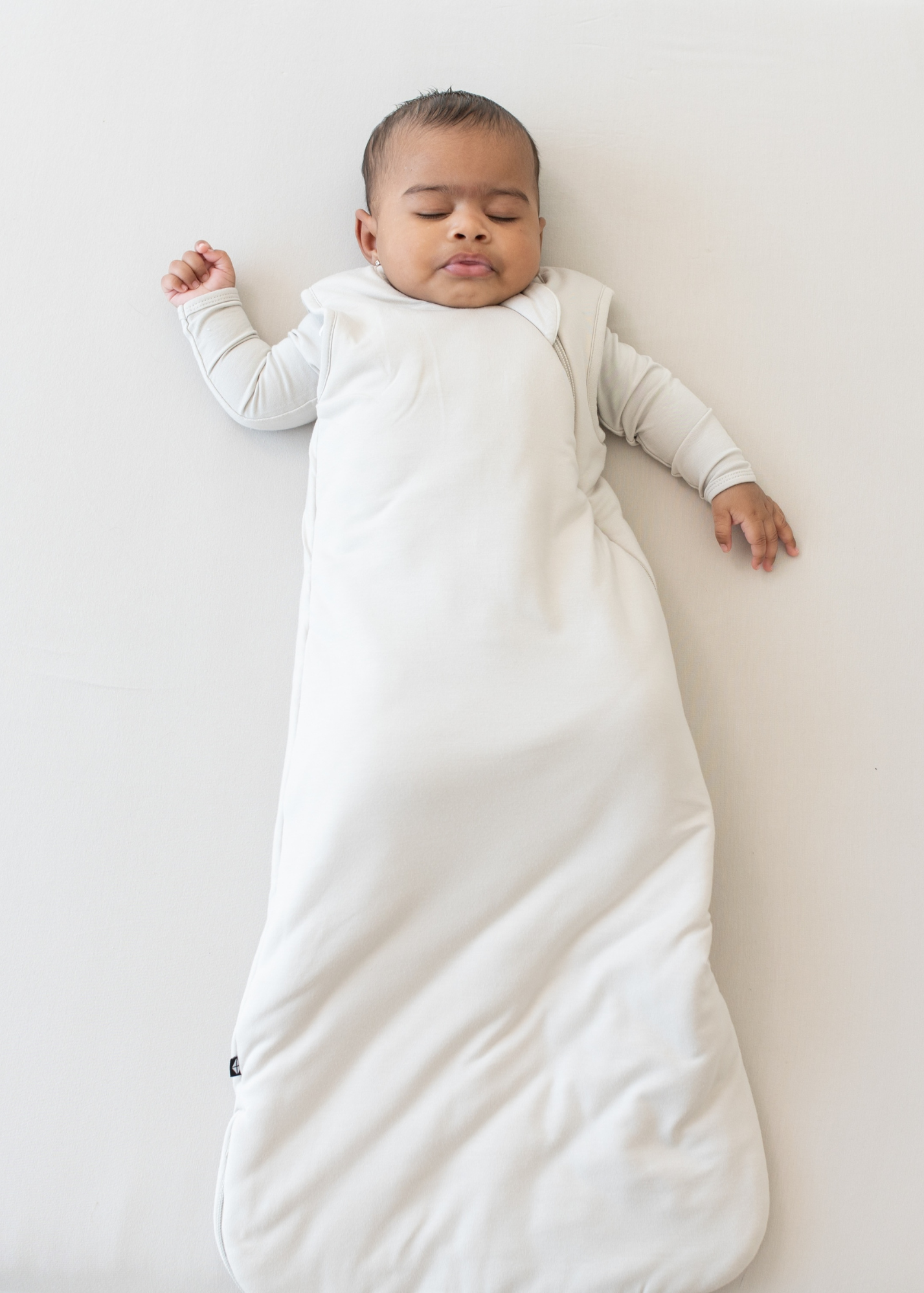
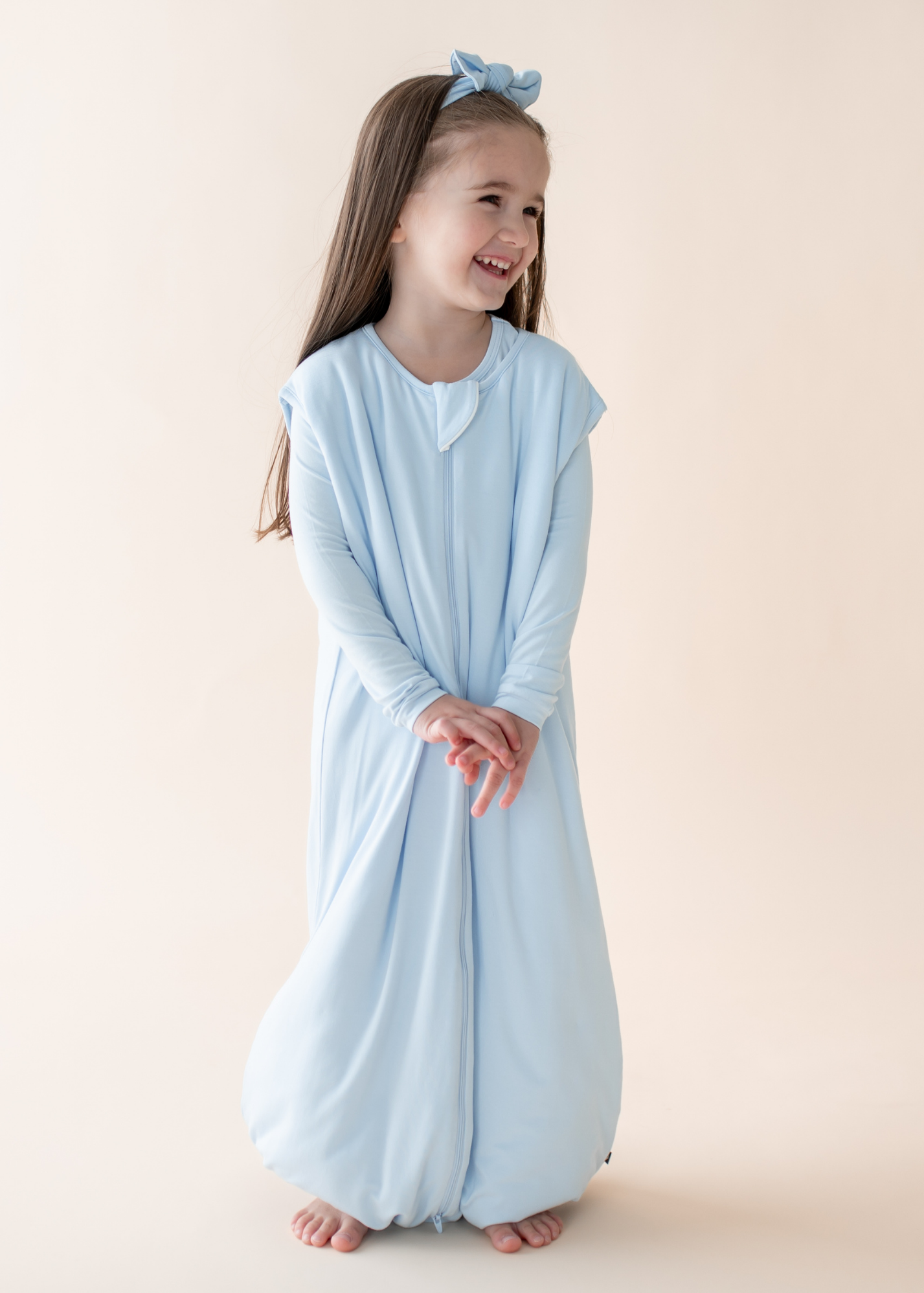
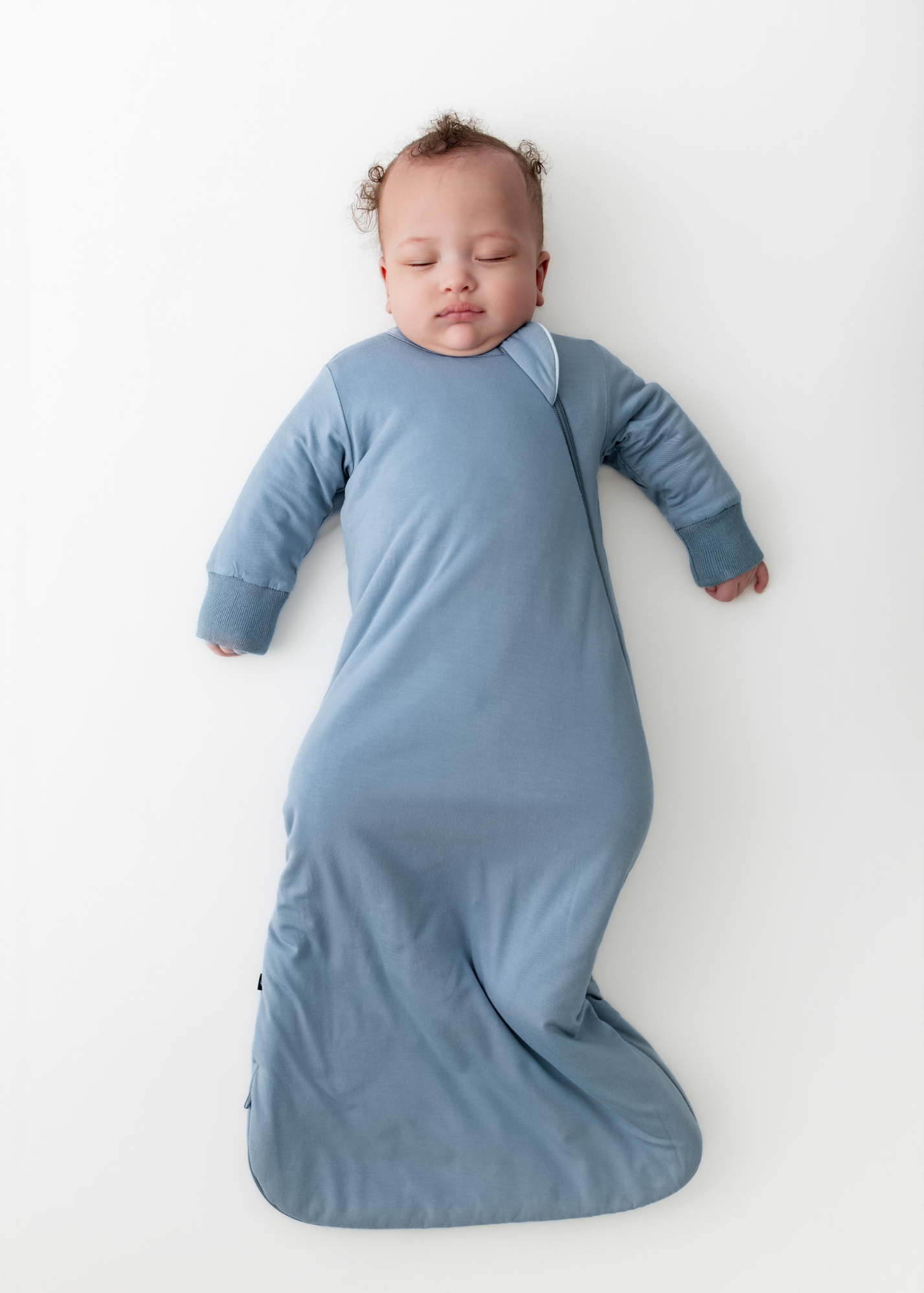








Choosing the best baby crib sheets comes down to three things: a safe, snug fit for the mattress you actually own, a fabric that stays comfortable through the season, and sizing that matches your baby's bed as they move from bassinet to crib to a big kid bed. This buying guide walks through materials, sizing, safety, care, and where to buy children's bedding, organized by the age and stage your little one is actually in.
How to Choose Crib Sheets: A Quick Checklist
Before you buy, run through this list:
- Fit: deep pockets and a fully elasticized edge so the sheet stays put on your exact mattress size
- Fabric: breathable and soft against delicate skin, since your baby will be sleeping on it most of the night
- Size: standard crib, mini crib, or bassinet, matched to your actual mattress dimensions, not guessed
- Safety certification: look for OEKO-TEX Standard 100 or an equivalent independent safety certification
- Care: machine washable at low temperatures, since crib sheets get washed often
How Children's Bedding Needs Change Over Time
As your little one grows, their sleep setup changes too. What works for a newborn in a bassinet is not the same bed, or the same size sheet, they will be using at nine or twelve months old. Stocking your linen closet with crib sheets, bassinet sheets, mini crib sheets, and eventually twin sheets lets you keep pace with your baby's development instead of scrambling to size up at the last minute.
Materials Comparison: Rayon from Bamboo, Cotton, Polyester and Flannel
Fabric is the biggest factor in what separates the best baby crib sheets from an average one. Here is how the most common options compare.
| Material | Breathability | Softness | Durability | Best For |
| Rayon from Bamboo | High | Very soft | Holds up well through frequent washing | Year-round use, families who prioritize a cool, breathable feel |
| Cotton | Medium-High | Soft | Durable, may wrinkle | Everyday use, natural fiber preference |
| Polyester | Low | Varies | Very durable | Budget shopping, less concerned with breathability |
| Flannel | Low-Medium | Soft, brushed texture | Durable | Cold-weather nurseries only |
A quick note on what to skip: sheets marketed as "wrinkle-free" or "stain-resistant" often get there with a chemical finish, so if you are prioritizing a natural feel against your baby's skin, it is worth checking the fabric content before you buy rather than relying on the marketing claim alone. Crib sheets typically run from around $10 for a basic single sheet to $40 or more for a fitted sheet and pillowcase set, so material and finish are usually where that price difference comes from.
Kyte Baby's crib sheets and mini crib sheets are made from rayon from bamboo and OEKO-TEX Standard 100 certified, and they're a favorite among families shopping for little ones with sensitive or eczema-prone skin.

What Size Is a Crib Sheet? Sizing by Bed Type
Crib sheets, mini crib sheets, and bassinet sheets can look similar at a glance, but using the wrong size for your baby's bed creates a real safety risk. A sheet that's too large for the mattress can come loose, which the American Academy of Pediatrics' safe sleep guidance flags as a suffocation hazard. Know your exact mattress dimensions before you shop, since sizes vary by bed type:
- Standard crib: approximately 28" by 52"
- Mini crib: approximately 24" by 38"
- Bassinet: varies by model, but approximately 15" by 30"
Bassinets for Young Babies
A bassinet is a space-saving choice for your baby's earliest months and is easy to keep near your bed, which lines up with the AAP's room-sharing recommendation for at least the first six months. Bassinet sheets generally serve your baby until they're between four and six months old. Follow your bassinet's manual for weight and height limits, and stop use once your baby starts rolling over or pushing up.

Standard Cribs for Longer-Term Use
A standard-sized crib can serve your baby from the day you bring them home until they transition to a toddler or twin bed, so it's often the only furniture purchase you need to make. Top it with a snug-fitting crib sheet for a comfortable sleep space night after night.
Mini Crib Sheets for a Space-Saving Setup
A mini crib topped with a soft mini crib sheet is a good middle ground for families who want something more portable than a standard crib but sturdier than a bassinet. Mini crib sheets also tend to fit popular portable play yards, so naps away from home can use the same size sheet. Mini cribs vary by model, so check your manual before buying.
Twin Sheets for a Big Kid Bed
When your little one is ready for a twin-sized bed, twin sheets let them keep the same soft, familiar feel in a range of colors and prints.
Do You Need a Crib Mattress Protector?
A mattress protector is optional, but it's worth considering if you want to guard against spills, diaper leaks, and everyday wear. There are three common approaches: a protective pad that sits under the fitted sheet, a stretch cover with its own elastic edge that goes on before the fitted sheet, or a combined pad-and-cover in one piece. Whichever you choose, make sure it fits snugly under the fitted sheet rather than adding bulk or bunching, since a loose layer under the sheet can undo the secure fit you're aiming for.
Crib Safety: What to Keep In and Out of the Crib
Following AAP recommendations for safe sleep, your baby's sleeping surface should have nothing but a snug fitted sheet until at least 12 months. That means no loose blankets, pillows, stuffed animals, or crib bumpers. Crib bumpers in particular are now banned under the federal Safe Sleep for Babies Act of 2022, which prohibits padded crib bumpers due to the suffocation and entrapment risk they pose.
Caring for Crib Sheets: Washing and Pre-Washing Tips
Pre-wash a new crib sheet before the first use to soften the fabric and account for any minor shrinkage, then plan to wash crib sheets about once or twice a week as part of your regular routine, or right away after a diaper leak or spit-up. Machine wash gentle with a fragrance-free detergent, and lay flat or hang to dry rather than using high heat, which helps the fabric and elastic hold their shape over more washes.
Ease the Transition from Bassinet to Crib
When your baby starts rolling, pulling up, or outgrowing their bassinet's weight limit, it's time to transition from the bassinet to a crib. Make up the new mattress with a crib sheet in a similar feel to the bassinet sheet your baby already knows, try naptime in the crib before bedtime, and keep the rest of the bedtime routine consistent to ease the switch.
When Is My Child Ready for a Blanket or Pillow?
The AAP recommends keeping your baby's sleeping surface empty except for a snug fitted sheet until at least 12 months of age. After that, you can assess whether your child is ready for a toddler-sized blanket, sized to fit a toddler bed. If they're not quite ready to move off a crib sheet and onto a blanket, a wearable option like a sleep bag keeps things simple and safe in the meantime.

Pillows come later still. The AAP recommends against pillows for children under two, and once your toddler has moved to a toddler or twin bed past that age, a small, thin, firm pillow with a snugly fitted pillowcase is the way to go.
Building a Full Bed Set: Twin Sheets, Blankets and Pillowcases
Once your child moves to a twin-sized bed, you can build out a full set: twin sheets, pillowcases, and a youth blanket sized to fit a twin bed. Blankets are rated by TOG (Thermal Overall Grade), a measure of warmth:
- 2.5 TOG: warmest option, best for rooms between 61°F and 68°F
- 1.0 TOG: middleweight, suited to rooms between 69°F and 73°F
- 0.5 TOG: lightest option, best for rooms between 74°F and 78°F
Where to Buy Children's Bedding
If you're shopping for the best baby crib sheets and wondering where to buy children's bedding that covers every stage in one place, Kyte Baby's bassinet sheets, crib sheets, mini crib sheets, and twin sheets collections are organized by bed size, so you can shop for exactly the mattress you have. For many families, this is also the best place to buy children's bedding as a set, since sheets, pillowcases, and blankets are available in matching colors and prints across every size.