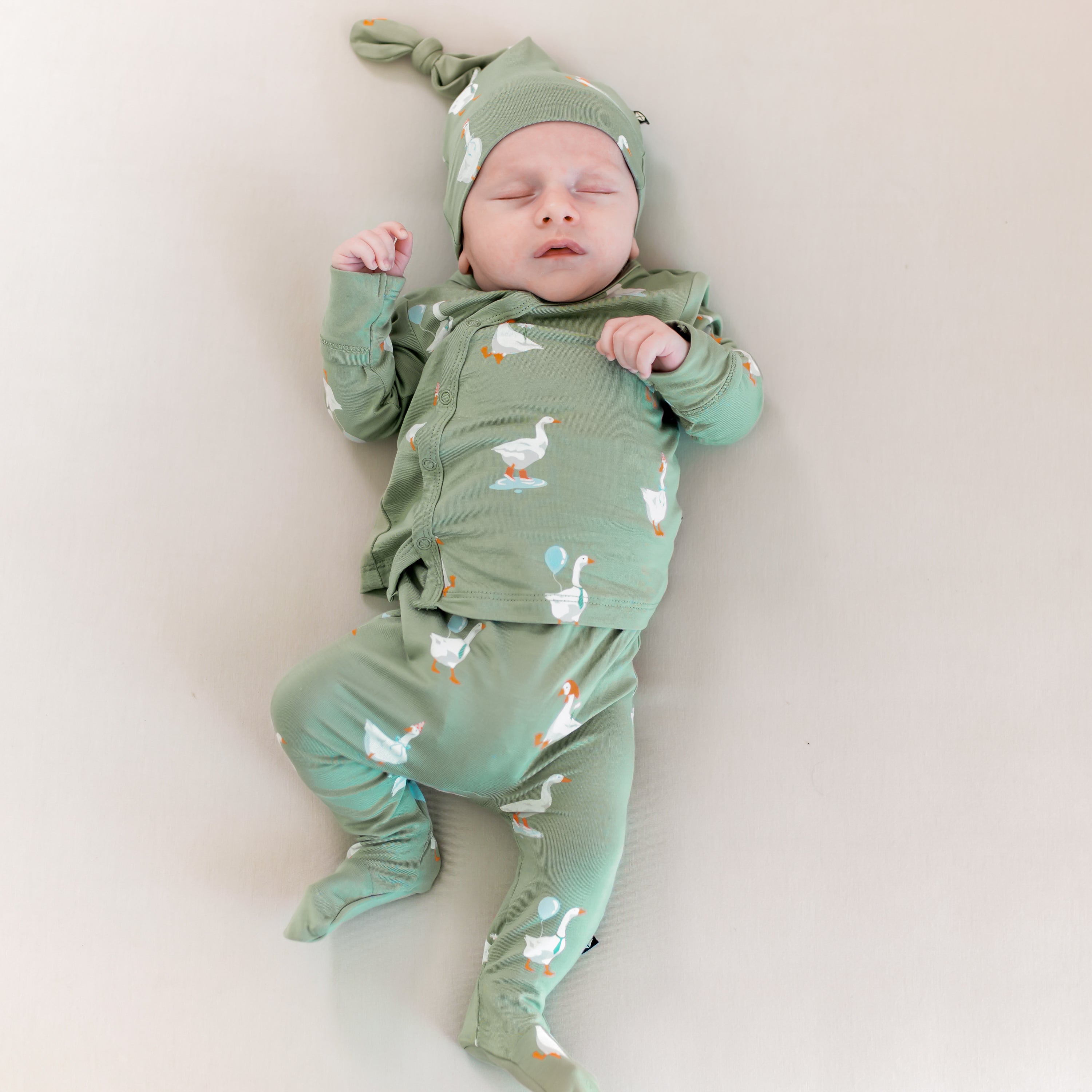






Getting your toddler to sleep can feel like one of the most challenging parts of parenting. One night they fall asleep easily, and the next they resist bedtime completely. If you’re wondering how to get a toddler to sleep consistently, you’re not alone. Sleep resistance is extremely common between ages one and three, as toddlers develop independence, awareness, and stronger emotional attachments.
The good news is that healthy sleep habits can be taught. With the right routine, environment, and sleep products, your toddler can fall asleep faster and stay asleep longer.
This guide shows how to help a toddler sleep using proven methods. It also explains how the right sleepwear, sleep bags, and bedding from Kyte Baby can make bedtime easier for parents and toddlers.
Why Toddlers Struggle With Sleep
Before learning how to get a toddler to sleep, it’s important to understand why toddlers resist bedtime in the first place. Sleep resistance is not random; it usually has clear causes tied to development, comfort, or environment.
Toddlers are learning autonomy. Saying “no” to bedtime is one way they test boundaries. They may also experience separation anxiety, making it difficult to relax when away from parents. Overstimulation before bedtime, inconsistent routines, or discomfort caused by temperature, clothing, or bedding can also prevent sleep.
Comfort is essential for a good night's sleep. Utilizing breathable, temperature-regulating sleepwear and bedding ensures toddlers remain cozy all night long. Sleep bag walkers offer a safe, wearable solution that enhances sleep quality by providing consistent warmth and breathability.
When toddlers feel safe, comfortable, and calm, falling asleep becomes much easier.
Create a Consistent Bedtime Routine
The most effective answer to how to get a toddler to sleep is consistency. Toddlers thrive on predictable routines. When bedtime happens in the same way every night, their brain learns to associate those steps with sleep.
A bedtime routine signals to your toddler that it’s time to wind down. Over time, their body naturally begins producing sleep hormones earlier, making bedtime smoother.
A simple and effective bedtime routine may include:
- Warm bath to relax muscles and calm the nervous system
- Changing into soft, breathable bamboo Sleepwear
- Reading a calming bedtime story
- Gentle cuddling or quiet bonding time
- Turning off lights and maintaining a consistent sleep time
Consistency is more important than perfection. Even if bedtime doesn’t go smoothly at first, repeating the same steps every night will train your toddler’s brain to associate the routine with sleep.
Optimize Your Toddler’s Sleep Environment
Another critical factor in how to get a toddler to sleep is the sleep environment. Toddlers are sensitive to light, temperature, textures, and sensory comfort. A sleep-friendly environment signals safety and promotes deeper rest.
The ideal toddler sleep environment includes a cool, quiet, and dark room. Soft, breathable crib sheet is essential for comfort and temperature regulation.
Focus on these key environmental factors:
- Keep the room cool and comfortable, ideally between 68–72°F (20–22°C)
- Use blackout curtains to reduce light stimulation
- Dress your toddler in breathable, temperature-regulating sleepwear
- Use soft, familiar bedding to create a sense of security
A comfortable environment eliminates common physical causes of sleep resistance.

Use Sleepwear That Promotes Comfort and Security
Many parents overlook the role of sleepwear when thinking about how to get a toddler to sleep. However, uncomfortable clothing can significantly disrupt sleep.
Toddlers move frequently during sleep. Tight, rough, or overheating fabrics can wake them up or prevent them from falling asleep in the first place.
Kyte Baby’s short sleeve with pants pajamas made from bamboo rayon, which offers several sleep benefits:
- Ultra-soft texture that feels gentle on sensitive skin
- Temperature regulation to prevent overheating or chills
- Breathable material that reduces sweating
- Flexible fit that allows natural movement
When toddlers feel physically comfortable and secure, they fall asleep faster and stay asleep longer.
Teach Independent Sleep Skills Gradually
If your toddler depends on rocking, feeding, or constant presence to fall asleep, teaching independent sleep skills can help. This is one of the most important long-term solutions for how to get a toddler to sleep consistently.
Start by placing your toddler in bed when they are sleepy but still awake. This helps them learn to fall asleep on their own instead of relying on external sleep associations.
You don’t have to completely remove comfort from the equation. In fact, gentle reassurance, consistent daily routines, and familiar sleepwear play a crucial role in helping toddlers feel secure and safe. This sense of security is essential as they embark on their journey toward learning independence.
Over time, your toddler will develop confidence in falling asleep independently.
Manage Sleep Regressions and Resistance
Even if your toddler has previously enjoyed a solid sleep routine, it's important to understand that sleep regressions can still happen unexpectedly. Various factors such as developmental milestones, teething, minor illnesses, or even changes in daily routines can temporarily disrupt your child's sleep patterns.
When you encounter sleep resistance, it’s crucial to remain consistent with established routines and to avoid introducing new sleep dependencies that could complicate the situation further. Utilizing familiar sleepwear, bedding, and bedtime rituals can provide a sense of stability and comfort during these transitional phases.
Remember, sleep regressions are typically temporary and will pass with time. By maintaining consistency and offering comfort, you can help restore your toddler's normal sleep patterns and ensure they get the rest they need.
Establish a Calm Pre-Sleep Wind-Down Period
Engaging in active play, exposure to bright screens, and participation in stimulating activities right before bedtime can significantly hinder a toddler's ability to fall asleep. When children are overly stimulated, their brains remain active, making it difficult for them to relax and transition into a restful state.
Therefore, it is essential to establish a calm wind-down period that effectively prepares both the brain and body for a peaceful night of sleep. To facilitate this important transition, it is advisable to avoid screens and high-energy activities for at least one hour prior to bedtime. Instead, consider opting for gentle and soothing activities that promote relaxation, such as reading a bedtime story, engaging in quiet play, or enjoying some quality cuddling time with a parent or caregiver.
These calming rituals not only create a peaceful environment conducive to sleep but also signal to the child that it is time to wind down and prepare for rest. Incorporating consistent routines, such as dimming the lights and playing soft music, can further enhance this calming atmosphere.
Over time, consistently implementing these cues will help toddlers transition more naturally into sleep mode, promoting better sleep habits and overall well-being. Establishing a bedtime routine that prioritizes tranquility can lead to improved sleep quality, making it easier for toddlers to fall asleep and stay asleep throughout the night. Ultimately, fostering a serene bedtime environment is crucial for supporting healthy sleep patterns in young children, which can have lasting benefits for their development and daily functioning.

How Long Does It Take to Improve Toddler Sleep
Parents frequently seek quick solutions when it comes to their toddlers' sleep issues, but it's important to understand that enhancing sleep habits in young children is a gradual process that requires patience. Typically, most toddlers will adapt to new sleep routines within a timeframe of one to three weeks.
The cornerstone of this adjustment is consistency. Even if it seems like progress is moving at a snail's pace, sticking to the same bedtime routine, creating a calming sleep environment, and ensuring that your child is dressed in comfortable sleepwear will ultimately lead to improved sleep patterns over time.
It's crucial to avoid making frequent changes to these routines, as stability is essential in helping toddlers feel secure and comfortable during their sleep journey.
Common Mistakes That Make Toddler Sleep Harder
Certain bedtime habits can inadvertently hinder your ability to fall asleep and enjoy restful slumber. It's important to steer clear of these common mistakes to improve your toddler's sleep quality
- Inconsistent bedtime routines
- Overheating caused by heavy or non-breathable clothing
- Allowing stimulating activities right before bed
- Frequently changing sleep environments or routines
Instead of getting caught up in distractions, prioritize comfort, maintain consistency in your routine, and incorporate calming sleep cues to enhance your rest.
Final Thoughts: The Key to Helping Your Toddler Sleep
If you’ve been struggling with how to get a toddler to sleep, remember that sleep is a learned skill. Toddlers need consistency, comfort, and security to develop healthy sleep habits.
A predictable bedtime routine, a calm sleep environment, and comfortable sleepwear all work together to improve sleep quality.
Kyte Baby’s toddler sleepwear, sleep bags, and bedding collections are specifically designed to support better sleep. The breathable bamboo fabric, ultra-soft texture, and temperature regulation help toddlers feel calm, secure, and comfortable.
With the right approach and the right sleep products, bedtime can transform from a daily struggle into a peaceful, predictable routine. Over time, your toddler will learn to fall asleep faster, stay asleep longer, and wake up rested, giving your entire family better sleep.