








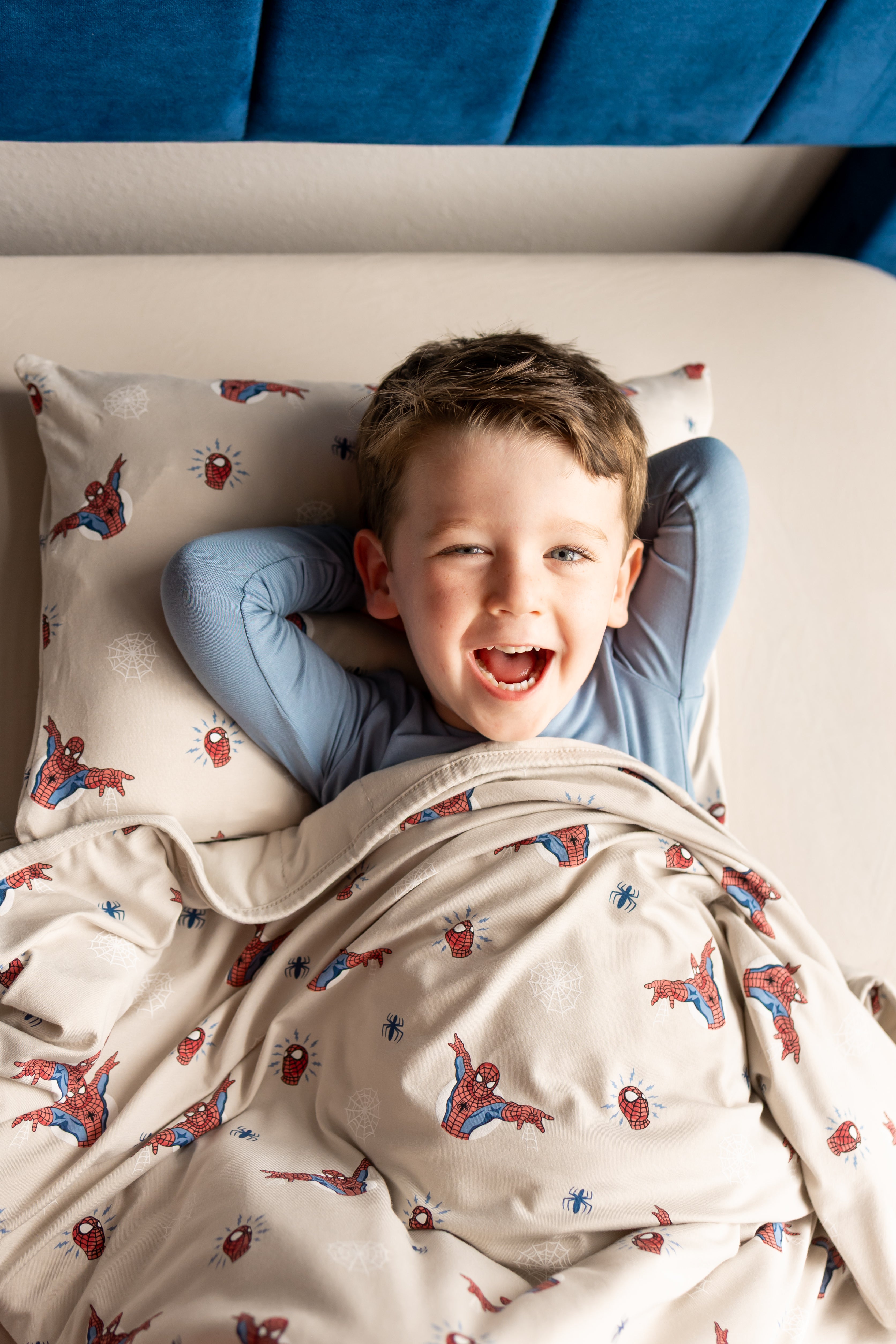









Teaching gratitude to a 5 year-old is less about formal lessons and more about shaping everyday moments into meaningful experiences. At this age, children are naturally curious, emotionally expressive, and still learning how to understand the world beyond their own needs. Gratitude doesn’t come automatically, it’s a skill that grows over time, guided by patience, consistency, and example.
Learning how to teach gratitude to a 5 year-old starts with understanding their developmental stage. Five-year-olds live very much in the present moment. They can say “thank you,” but they may not yet fully grasp why appreciation matters. That’s where daily routines, family values, and gentle guidance come into play. Gratitude becomes something they feel and practice, not just something they’re told to say.
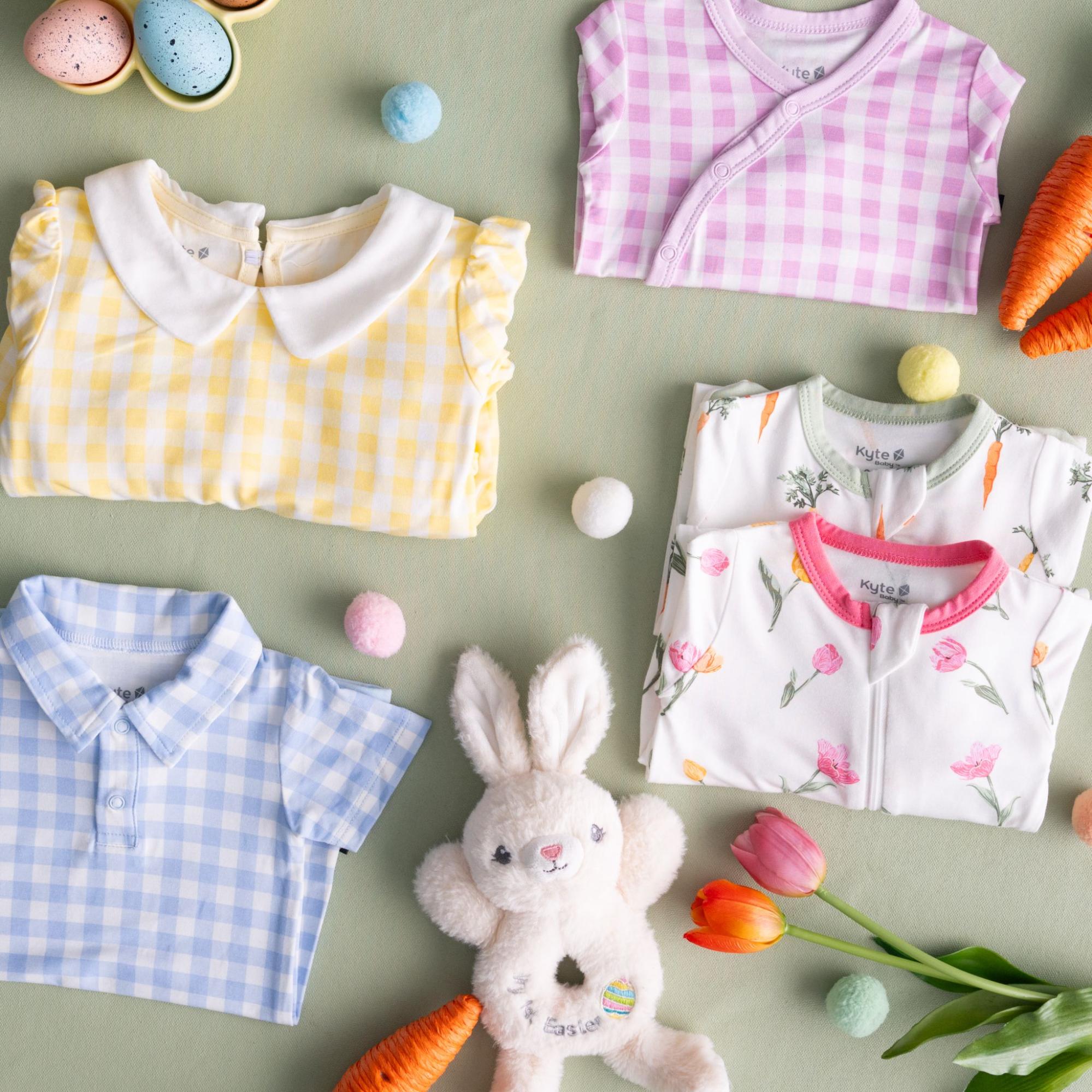
In everyday life, gratitude can be woven into simple routines, getting dressed in the morning, choosing pajamas before bed, or picking out a small gift for a friend. Even activities like selecting thoughtful items, such as toddler gifts, can become moments to talk about generosity, kindness, and appreciation for others. These small, consistent conversations are often more powerful than big lectures.
Why Gratitude Matters at Age Five?
Gratitude at this age helps children develop emotional intelligence, empathy, and resilience. Studies show that children who practice gratitude tend to have stronger social relationships and a more positive outlook on life. For a 5 year-old, gratitude also supports emotional regulation. When children learn to notice what they have, they are better equipped to handle frustration and disappointment.
At five, children are beginning to understand that other people have feelings too. This makes it an ideal time to introduce gratitude as a way of recognizing others’ efforts and kindness. Saying “thank you” becomes more meaningful when children understand that someone else did something thoughtful for them.
Learning how to teach gratitude to a 5 year-old is not about expecting constant politeness or perfect behavior. Instead, it’s about helping children slow down, notice, and reflect, even briefly, on the good things in their lives.
Understanding Gratitude from a Child’s Perspective
To adults, gratitude often means appreciation for abstract things like opportunities, health, or support. For a 5 year-old, gratitude is concrete. It’s about a favorite snack, a cozy pair of pajamas, or time spent reading together before bed. Recognizing this difference helps parents and caregivers meet children where they are emotionally.
Children at this age learn best through repetition and modeling. They watch how adults react to situations. If gratitude is part of daily language, expressed naturally and sincerely, children begin to adopt it as their own. This might mean expressing appreciation for a comfortable home, for time spent together, or for simple moments of connection.
Even routines like getting dressed in comfortable toddler clothes can be framed with gratitude. Talking about how clothes keep us warm or allow us to play comfortably helps children understand appreciation in tangible ways. Over time, these conversations build a foundation for deeper emotional awareness.

Modeling Gratitude Every Day
One of the most effective ways to teach gratitude is to model it consistently. Children learn far more from what they observe than from what they’re told. When adults openly express appreciation, out loud and in context, children begin to mirror that behavior.
This doesn’t require grand gestures. Saying things like, “I’m thankful we have time to eat breakfast together,” or “I appreciate how you helped clean up,” shows children that gratitude is part of everyday life. The more specific the gratitude, the easier it is for a child to understand.
Learning how to teach gratitude to a 5 year-old also means allowing them to see gratitude expressed during both positive and challenging moments. Expressing appreciation even on difficult days helps children understand that gratitude isn’t about pretending everything is perfect, it’s about finding value and meaning in small moments.
Turning Daily Routines into Gratitude Lessons
Daily routines offer countless opportunities to practice gratitude without making it feel forced. Morning routines, mealtimes, and bedtime rituals are especially effective because they happen consistently and provide natural moments for reflection.
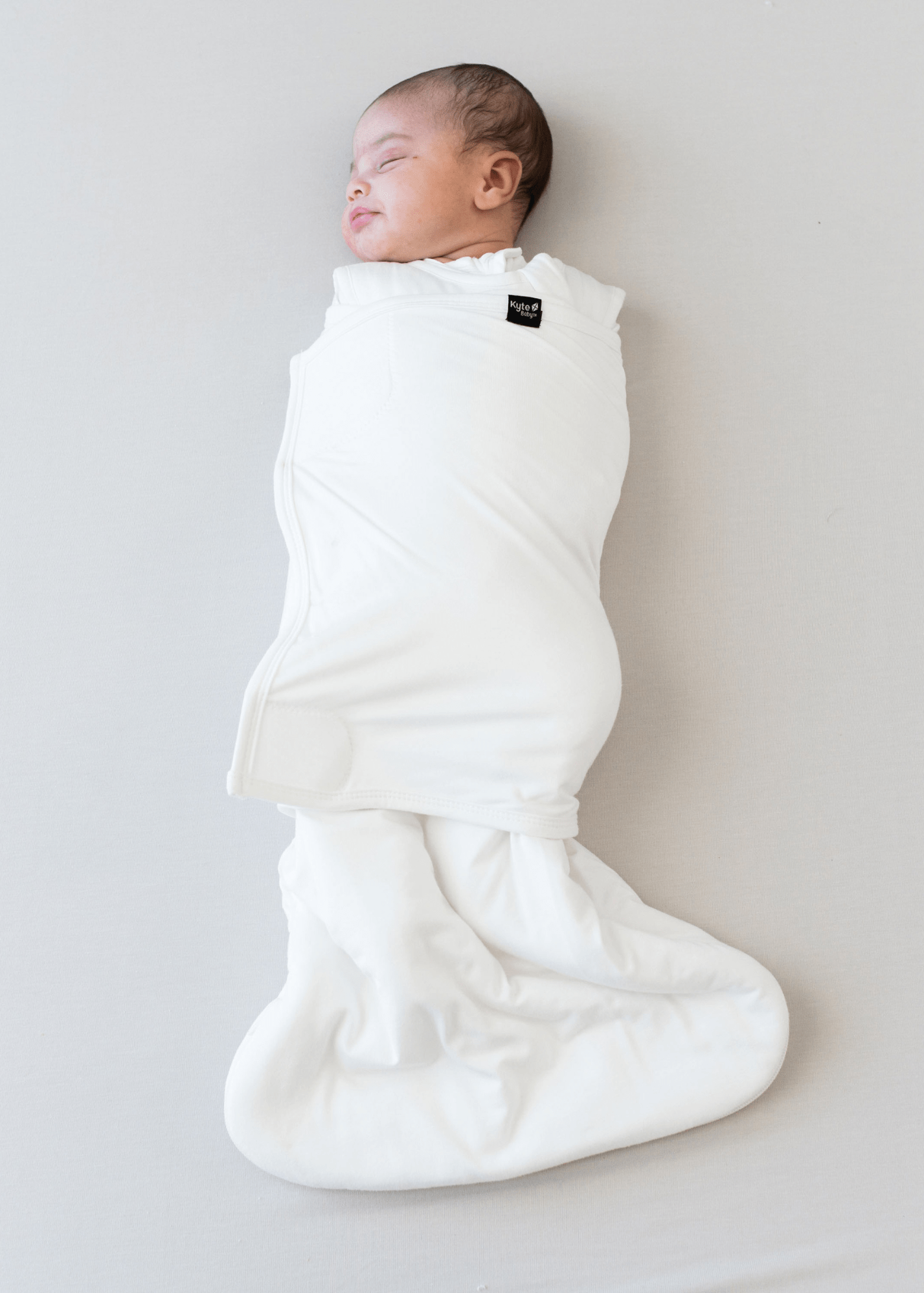
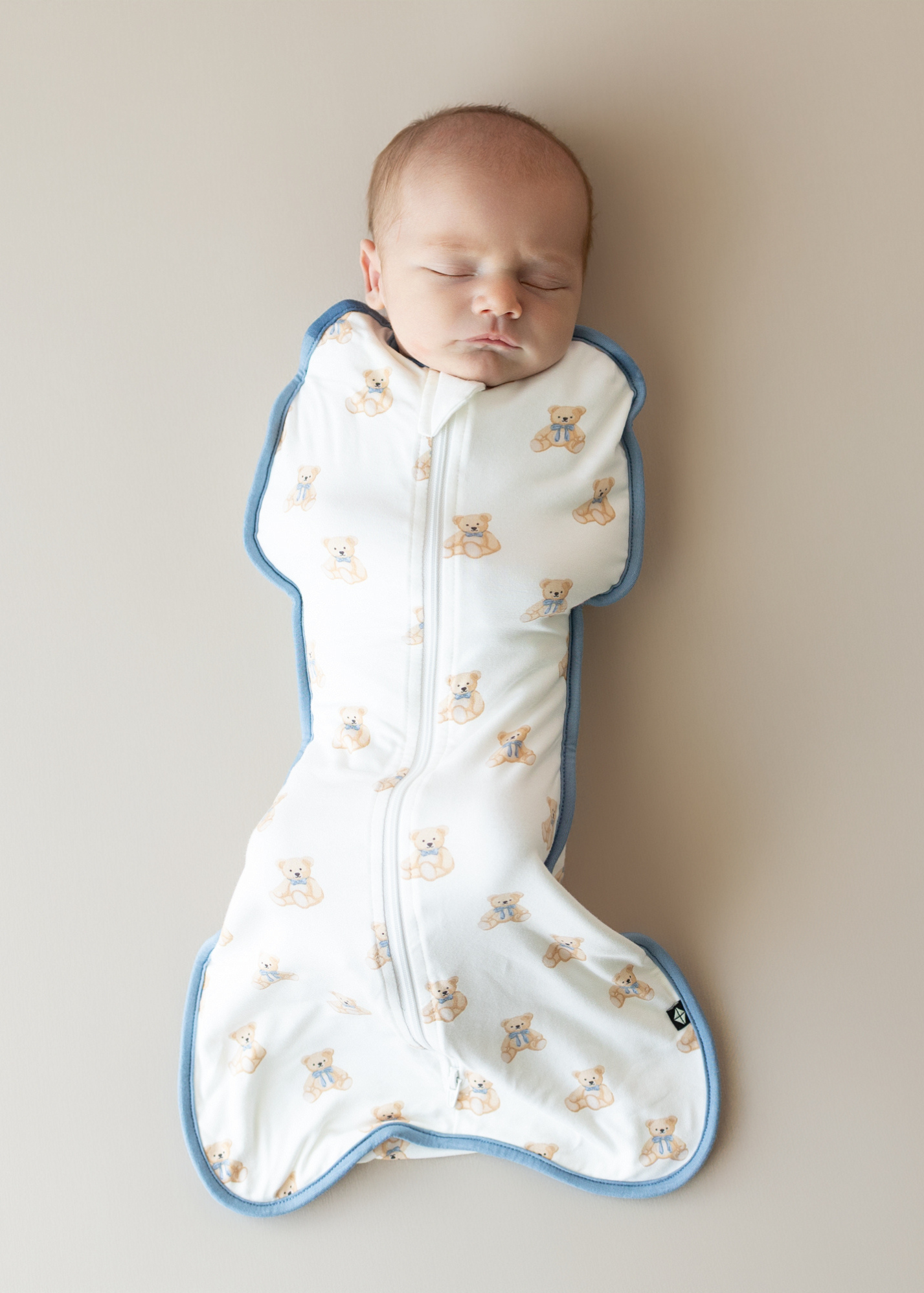
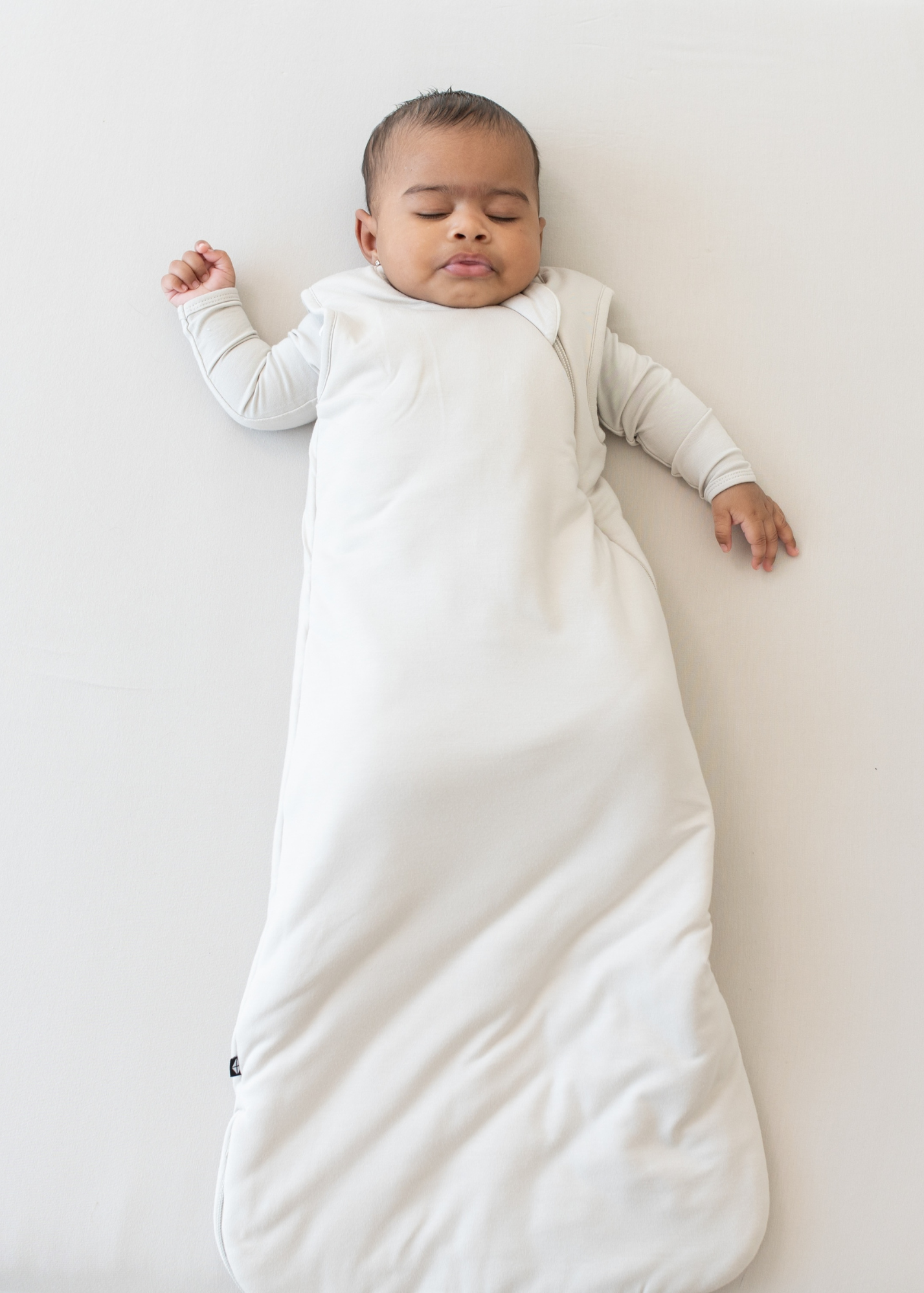
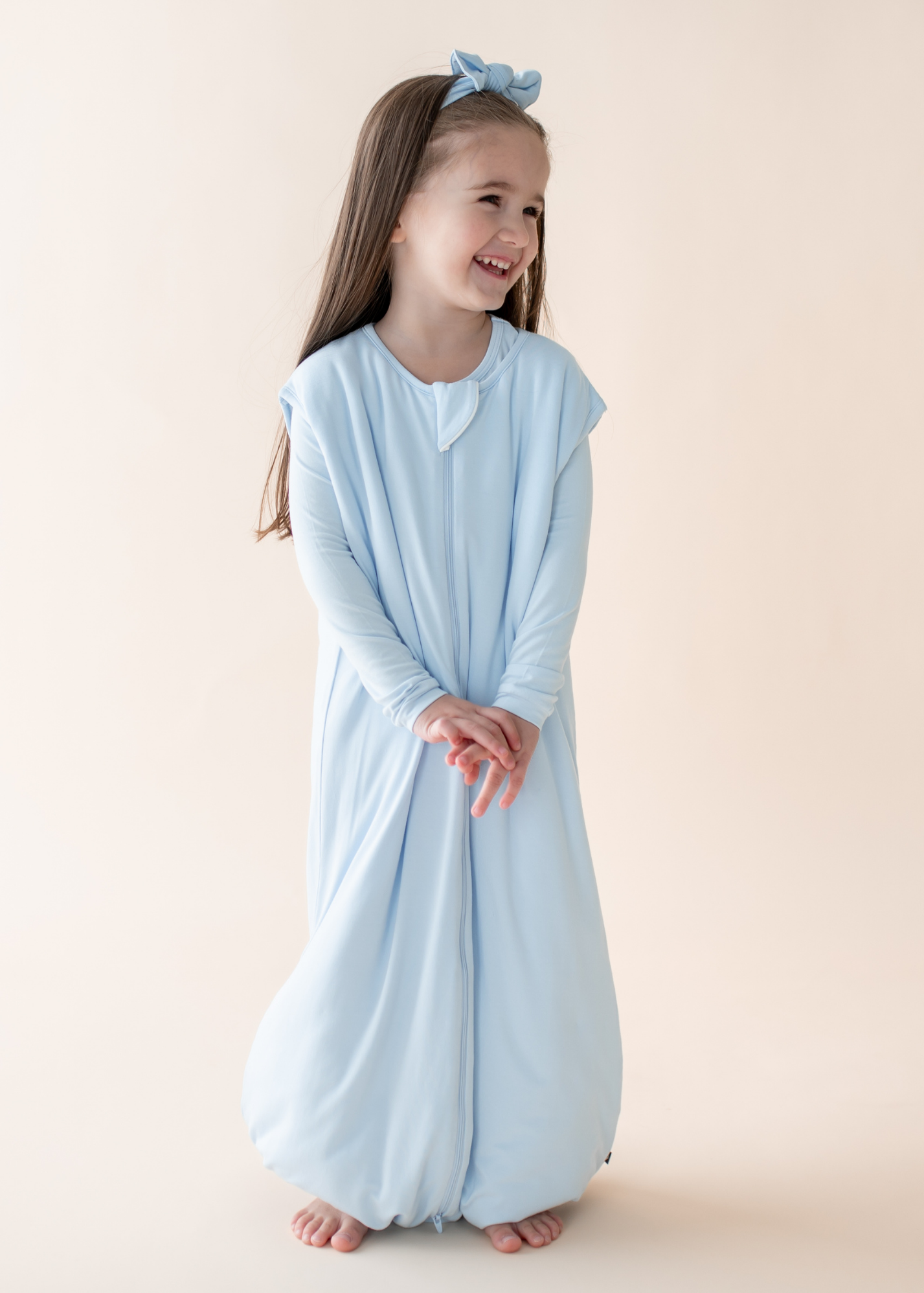
Bedtime, in particular, is a powerful moment for gratitude. As children wind down, they are more receptive to calm conversation. Wearing cozy bamboo pajamas for toddlers or sharing a quiet moment together creates emotional safety, making it easier for children to reflect on their day.
Encouraging Gratitude Through Play
Play is how children make sense of the world. Gratitude can be introduced naturally through imaginative play, storytelling, and role-playing. When children pretend to care for a doll, share toys, or act out family routines, they are practicing empathy and appreciation without realizing it.
Dressing up, playing house, or pretending to care for a pet can open the door to conversations about responsibility and thankfulness.
For example, playing with themes that include caring for animals can connect naturally to ideas of kindness and appreciation, similar to how families enjoy moments like matching pajamas with dog-themed traditions that highlight companionship and care.
Through play, children explore emotions safely. Talking about characters’ feelings in stories or games helps children understand gratitude from different perspectives.
Teaching Gratitude Without Forcing It
One common challenge parents face is worrying that gratitude feels forced or insincere. At age five, children are still learning emotional vocabulary, so it’s normal for gratitude to sound rehearsed at first.
True gratitude develops slowly. Children need space to express frustration, disappointment, or boredom too. Acknowledging these emotions is just as important as encouraging appreciation. When children feel heard, they are more open to reflection.
Learning how to teach gratitude to a 5 year-old means accepting that gratitude will look different on different days. Some days, it might be a heartfelt “thank you.” Other days, it might simply be noticing something positive without verbalizing it.
Helping Children Appreciate People, Not Just Things
While children often focus on objects, gratitude is ultimately about relationships. Teaching children to appreciate people, their efforts, kindness, and time, helps build empathy and social awareness.
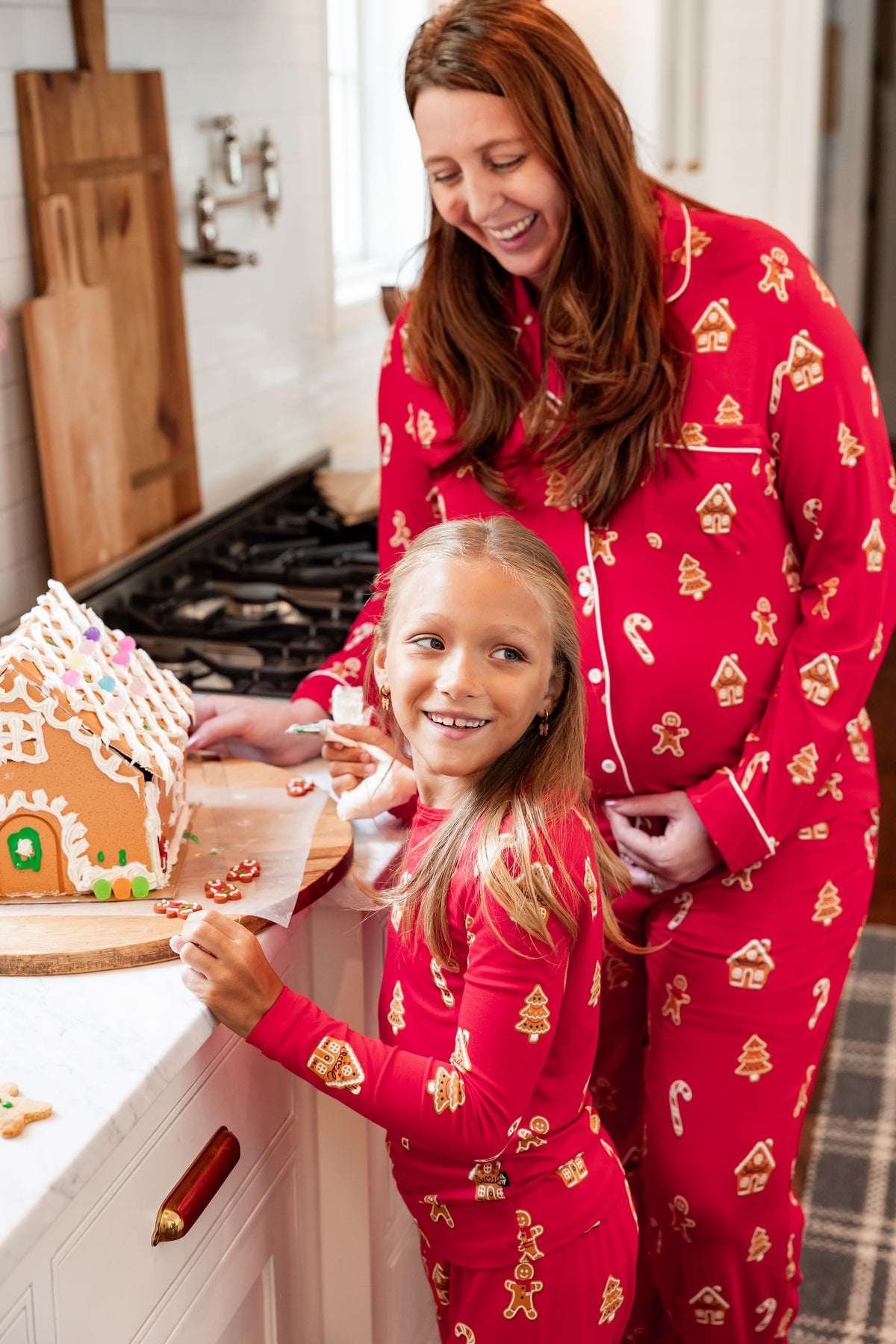
Simple practices like thanking family members, caregivers, or friends help children recognize that people contribute to their well-being. Wearing bamboo matching family pajamas or enjoying shared routines together, such as bedtime reading, can reinforce a sense of togetherness and appreciation for one another.
Activities like family traditions, shared meals, and collaborative play all support this relational aspect of gratitude. Children learn that appreciation strengthens connections and makes relationships feel safe and valued.

Gratitude and Emotional Regulation
Gratitude is closely linked to emotional regulation, especially in young children. When children learn to recognize positive experiences, they are better able to manage big emotions like anger or sadness.
This doesn’t mean dismissing difficult feelings. Instead, gratitude can exist alongside them. A child can feel upset and still acknowledge something comforting, such as a favorite blanket or a calming bedtime routine.
According to resources like the American Academy of Pediatrics, emotional development at this age is deeply influenced by supportive environments and consistent routines. Gratitude practices fit naturally into this framework by promoting emotional balance and reflection.
Teaching Gratitude Through Giving
Giving helps children understand gratitude from another angle. When children participate in acts of kindness, such as making a card, choosing a thoughtful item for someone else, or helping around the house, they experience the joy of giving.
This doesn’t need to involve material items. Giving time, attention, or help is often more meaningful. Helping a sibling, comforting a friend, or assisting with chores all reinforce the idea that their actions matter.
Occasionally, choosing something special for someone else, such as a small gift for a toddler, helps children connect generosity with appreciation. The focus should always be on the feeling of giving, not the object itself.
Gratitude as a Lifelong Skill
Gratitude taught at age five lays the groundwork for lifelong emotional well-being. Children who learn to notice and appreciate the good in their lives are better equipped to handle challenges, build strong relationships, and maintain a positive outlook.
By weaving gratitude into daily routines, play, and conversation, parents and caregivers help children develop a skill that will serve them far beyond childhood. Gratitude doesn’t require perfection, it thrives in authenticity, patience, and everyday moments shared together.
Ultimately, teaching gratitude is less about instruction and more about presence. When children feel connected, valued, and understood, gratitude grows naturally, one small moment at a time.