

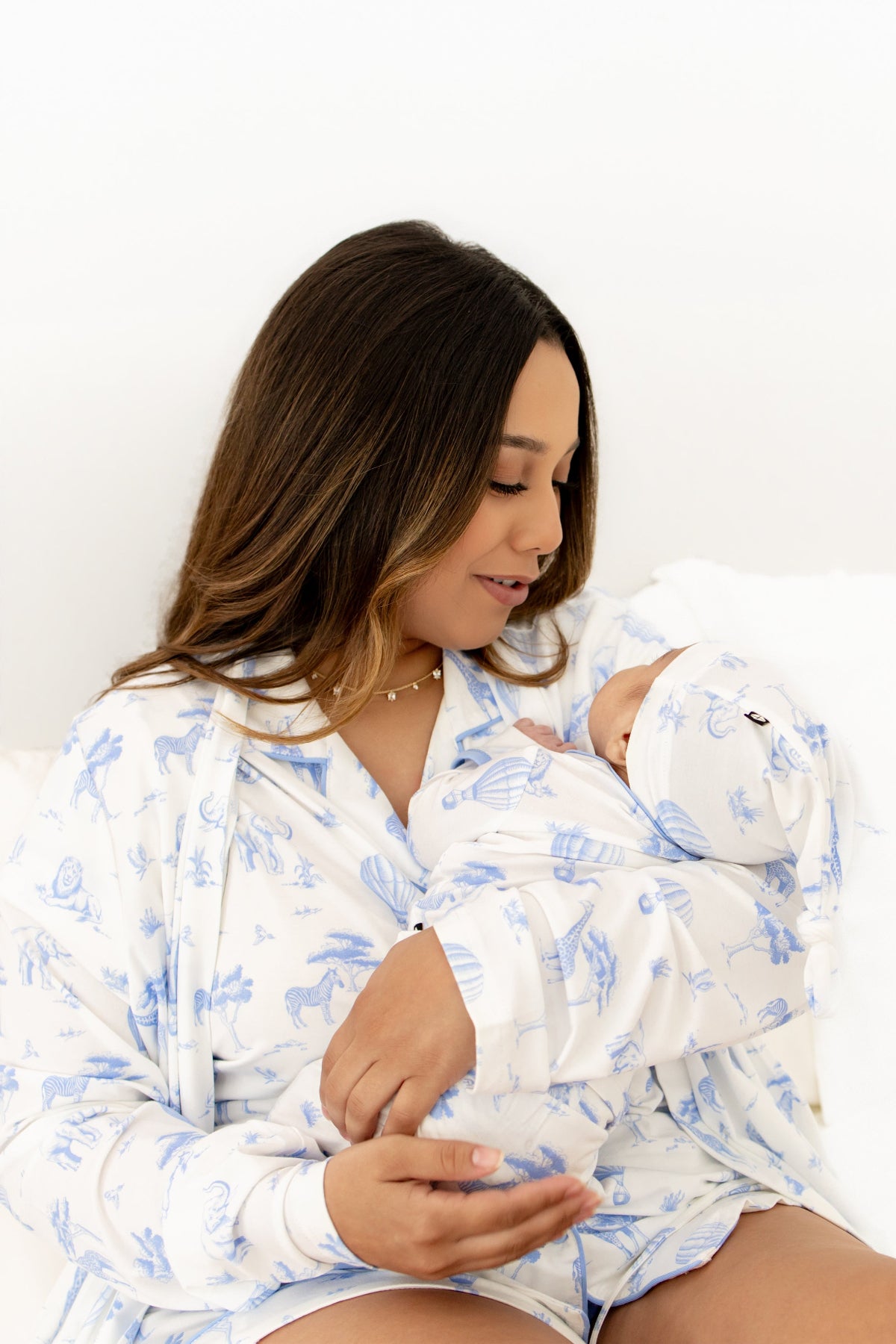
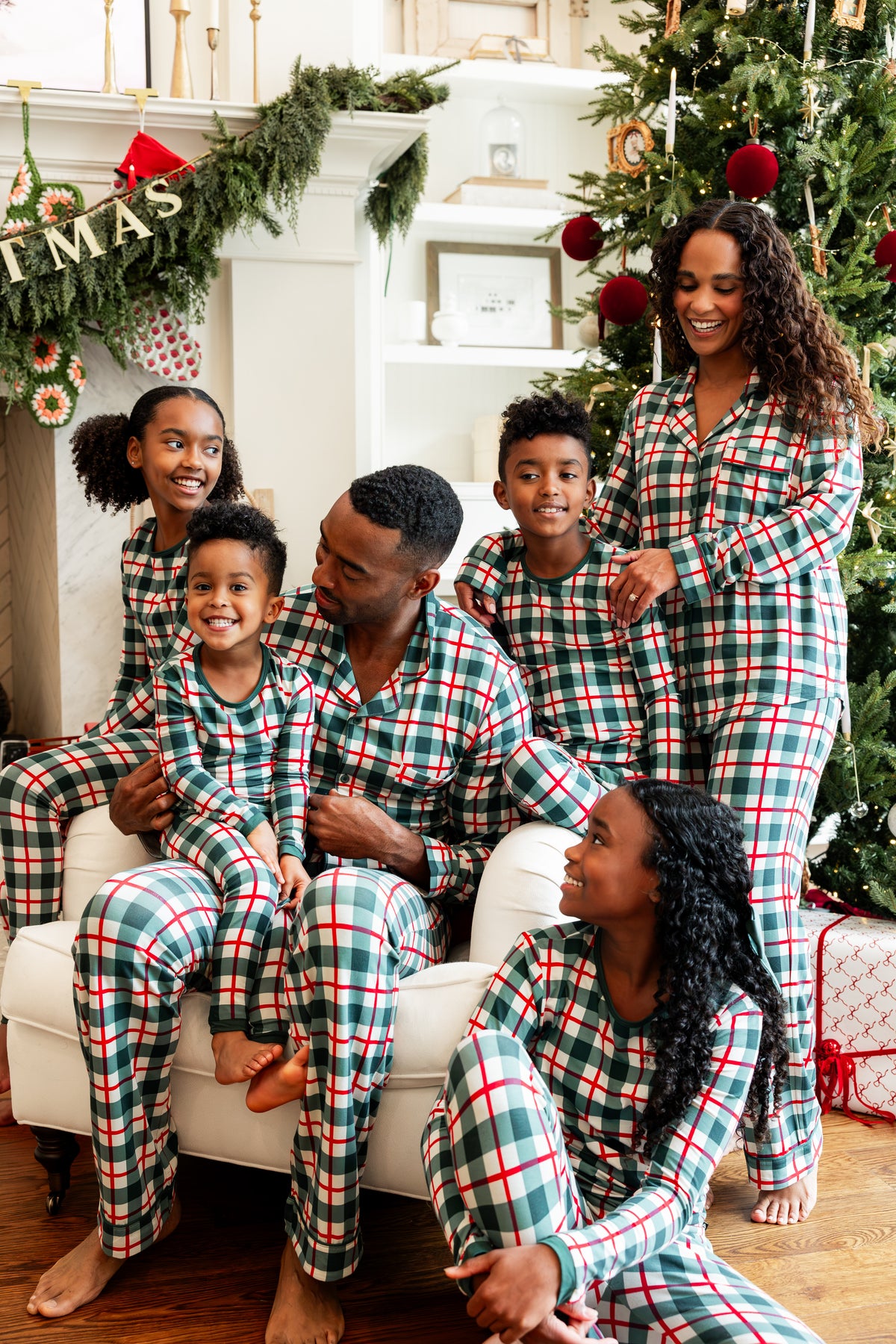
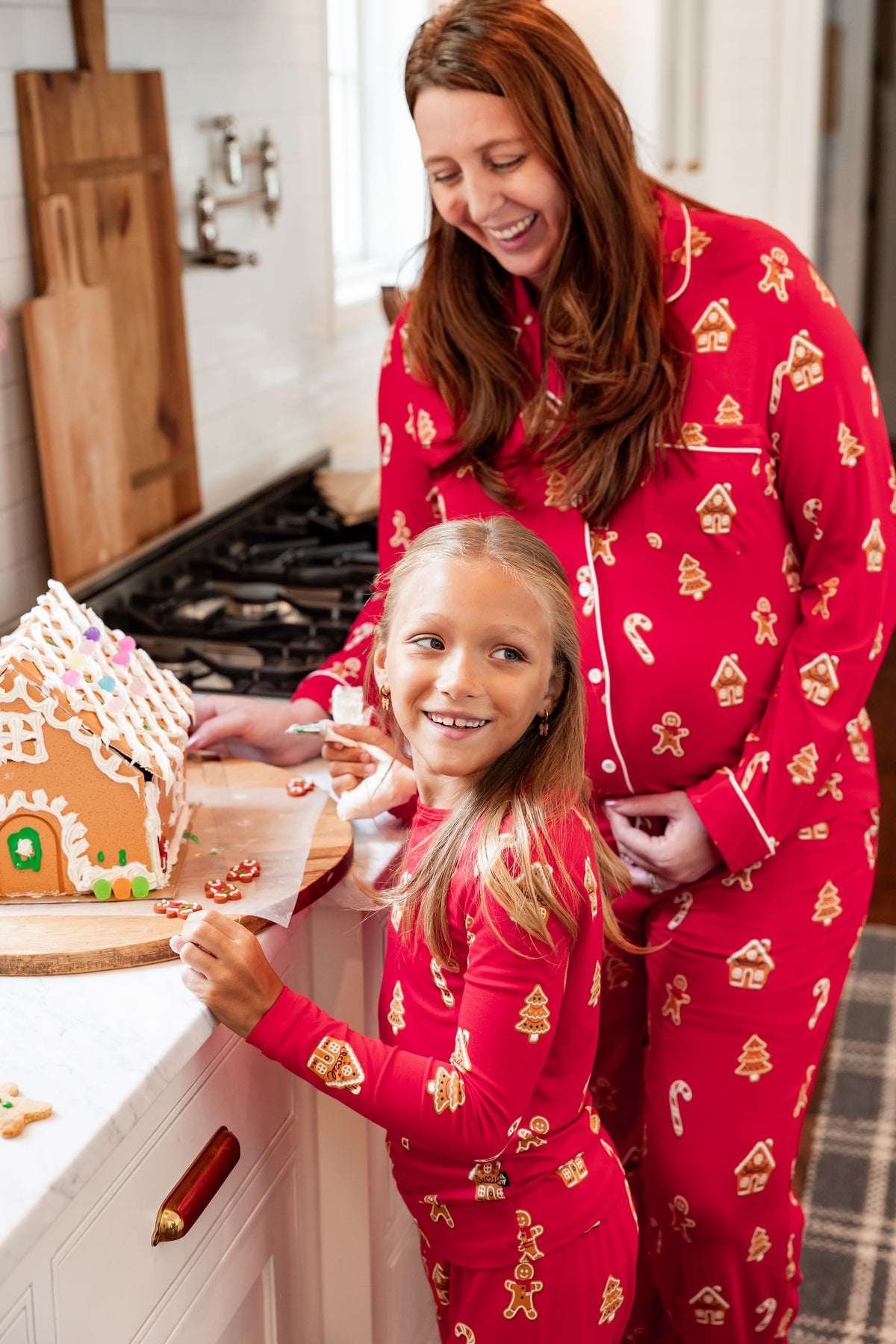
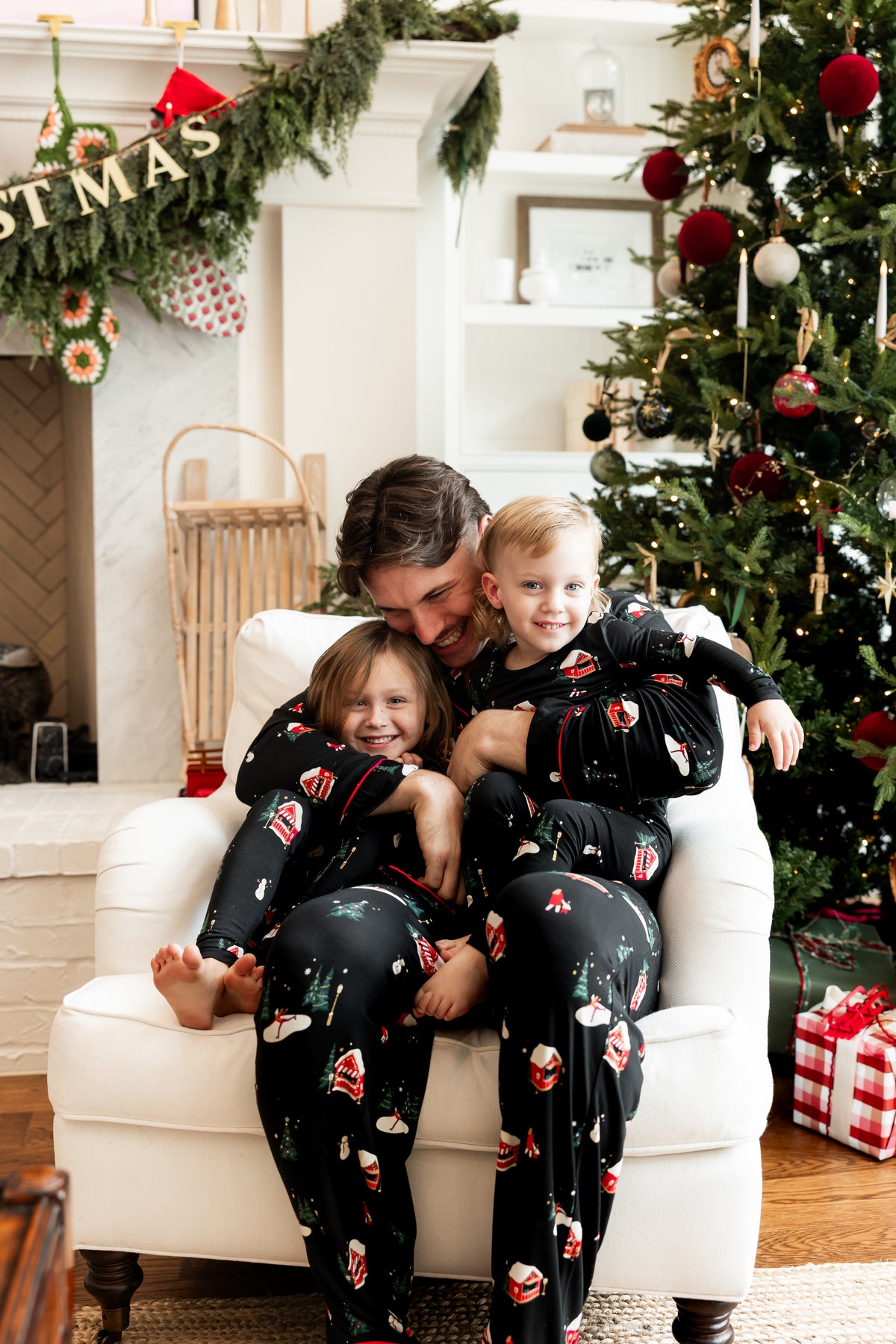






Choosing the right pajama fabric for a baby might seem like a small decision, but it can have a meaningful impact on comfort and sleep quality. Babies have delicate, sensitive skin and limited ability to regulate body temperature, which means the fabrics they wear during sleep play a much larger role than many parents realize.
Many new parents focus on cute designs or sizing when buying sleepwear, but the material itself often gets overlooked. Some fabrics trap heat, others irritate sensitive skin, and some simply don’t provide the softness babies need for long, uninterrupted sleep. Over time, this can affect how comfortable a baby feels throughout the night.
This article explores the importance of pajama fabric in baby sleepwear and explains how certain materials can improve comfort, regulate temperature, and support healthier sleep patterns. You'll learn what makes fabrics soft, why breathable materials matter, which fabrics are best for babies, and which ones parents may want to avoid.
Why Fabric Choice Matters for Baby Sleep
Sleep is one of the most important factors in a baby’s development. During sleep, the brain processes new information, the body grows, and essential hormones are released. Because babies spend a large portion of their day sleeping, their clothing, especially pajamas, needs to support a comfortable sleep environment.
The wrong pajama fabric can cause several common problems. Materials that trap heat may lead to overheating, while rough or stiff fabrics can irritate delicate skin. Even seams, tags, and texture can affect how relaxed a baby feels.
Soft, breathable fabrics contribute to:
- Better temperature balance throughout the night
- Reduced skin irritation
- Increased comfort during movement
- Longer and more restful sleep cycles
Babies also move frequently while sleeping. Stretchy, flexible fabrics allow them to move naturally without feeling restricted. Comfortable sleepwear also helps reduce nighttime wake-ups caused by discomfort.
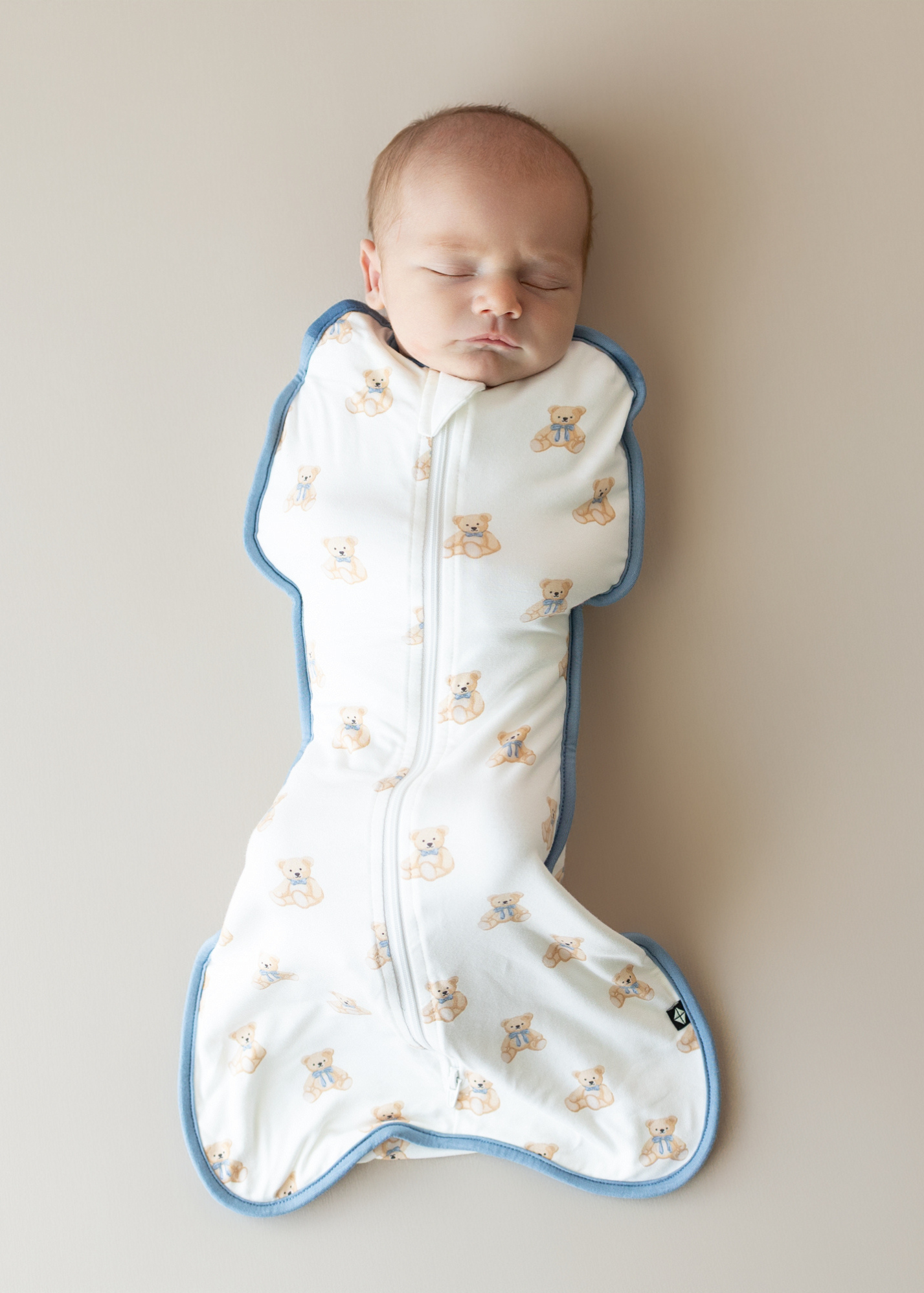
Sleepwear choices such as soft baby footie pajamas can help maintain warmth and comfort while keeping babies covered during sleep.
Ultimately, fabric plays a central role in creating the ideal sleep environment for babies.

What Makes a Pajama Fabric Soft and Comfortable for Babies?
Softness in a pajama fabric is determined by several factors, including fiber type, fabric weave, and finishing processes. Natural fibers tend to feel smoother against the skin compared to synthetic fibers, which can sometimes feel stiff or less breathable.
Fiber length and quality also influence softness. Longer fibers create smoother yarns, resulting in fabrics that feel softer and more durable. High-quality fabrics also undergo special treatments that enhance softness without compromising breathability.
Several characteristics contribute to baby-friendly pajama fabrics:
- Breathability: Allows airflow and prevents overheating
- Moisture absorption: Helps wick away sweat and keep skin dry
- Stretch and flexibility: Supports movement during sleep
- Hypoallergenic properties: Reduces irritation on sensitive skin
Another important factor is the fabric’s weight. Lightweight fabrics tend to feel softer and more breathable, which helps babies stay comfortable throughout the night.
Parents researching comfortable materials often explore collections made with soft bamboo fabric, which is known for their soft texture and breathable feel.
Benefits of Choosing Bamboo Breathable Pajama Fabrics
Among the many materials used in sleepwear, bamboo fabric has gained attention for its softness and breathability. Bamboo fibers are processed into a fabric that feels smooth, lightweight, and gentle on the skin.
One of the key benefits of bamboo-based pajama fabric is its ability to regulate airflow. The structure of bamboo fibers allows air to circulate more easily, which helps prevent overheating during sleep.
Bamboo fabrics also naturally wick moisture away from the skin. Babies can sweat during sleep, especially during active sleep cycles or when in warm environments. Fabrics that absorb and release moisture help maintain a dry and comfortable sleep environment.
Additional advantages of bamboo-based fabrics include:
- Naturally soft texture similar to silk
- Breathable and lightweight structure
- Moisture-wicking capabilities
- Gentle feel on sensitive skin
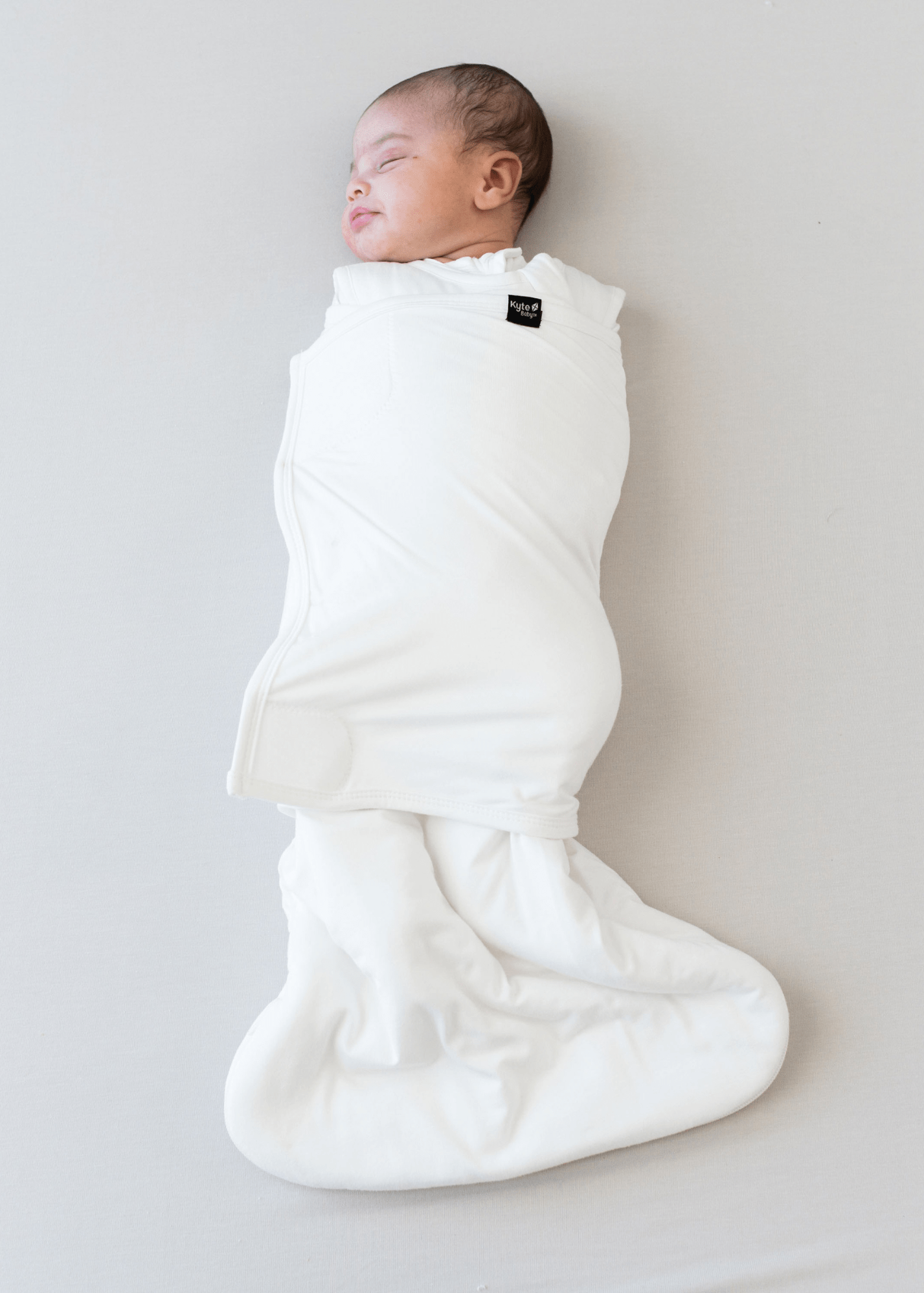
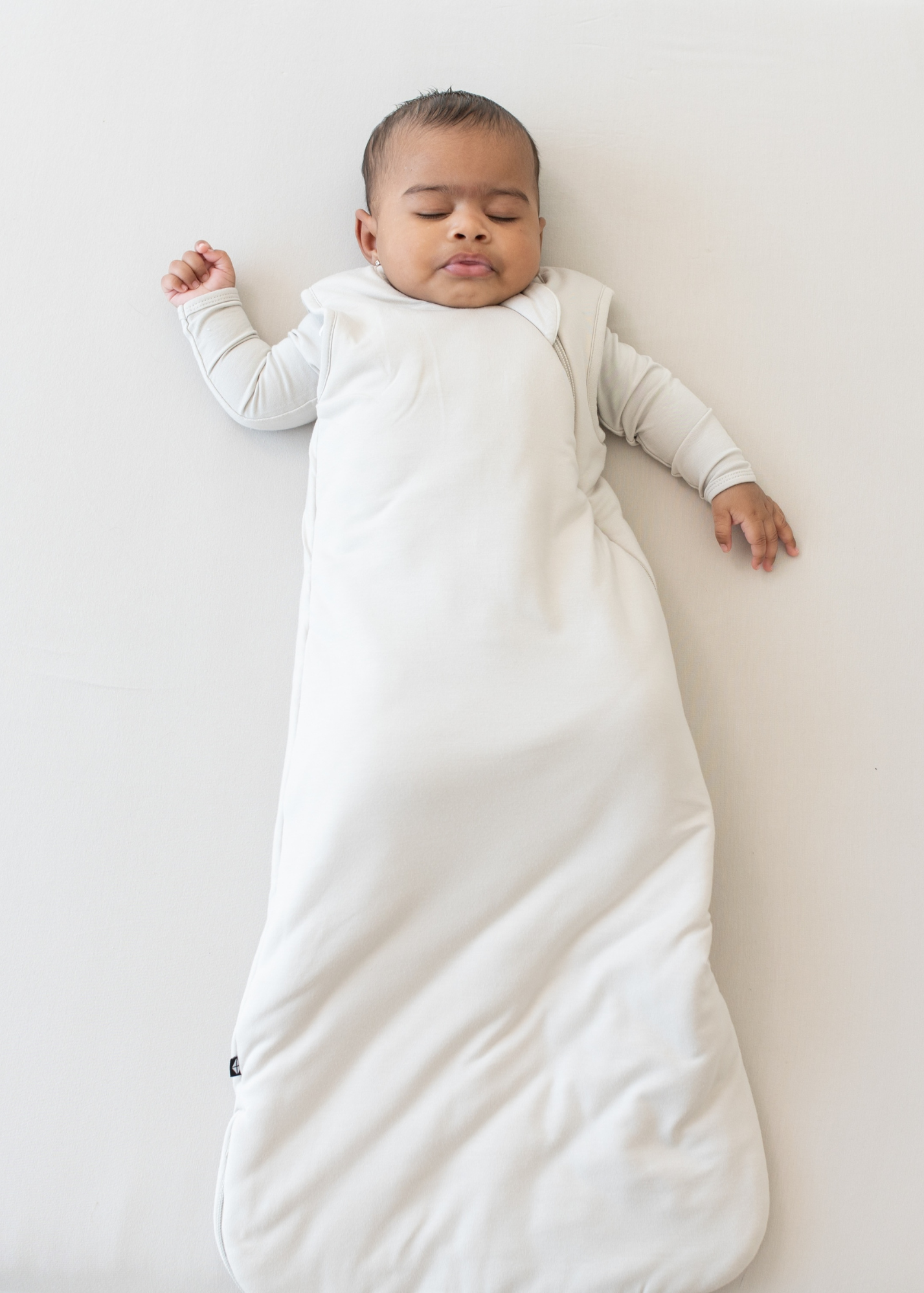
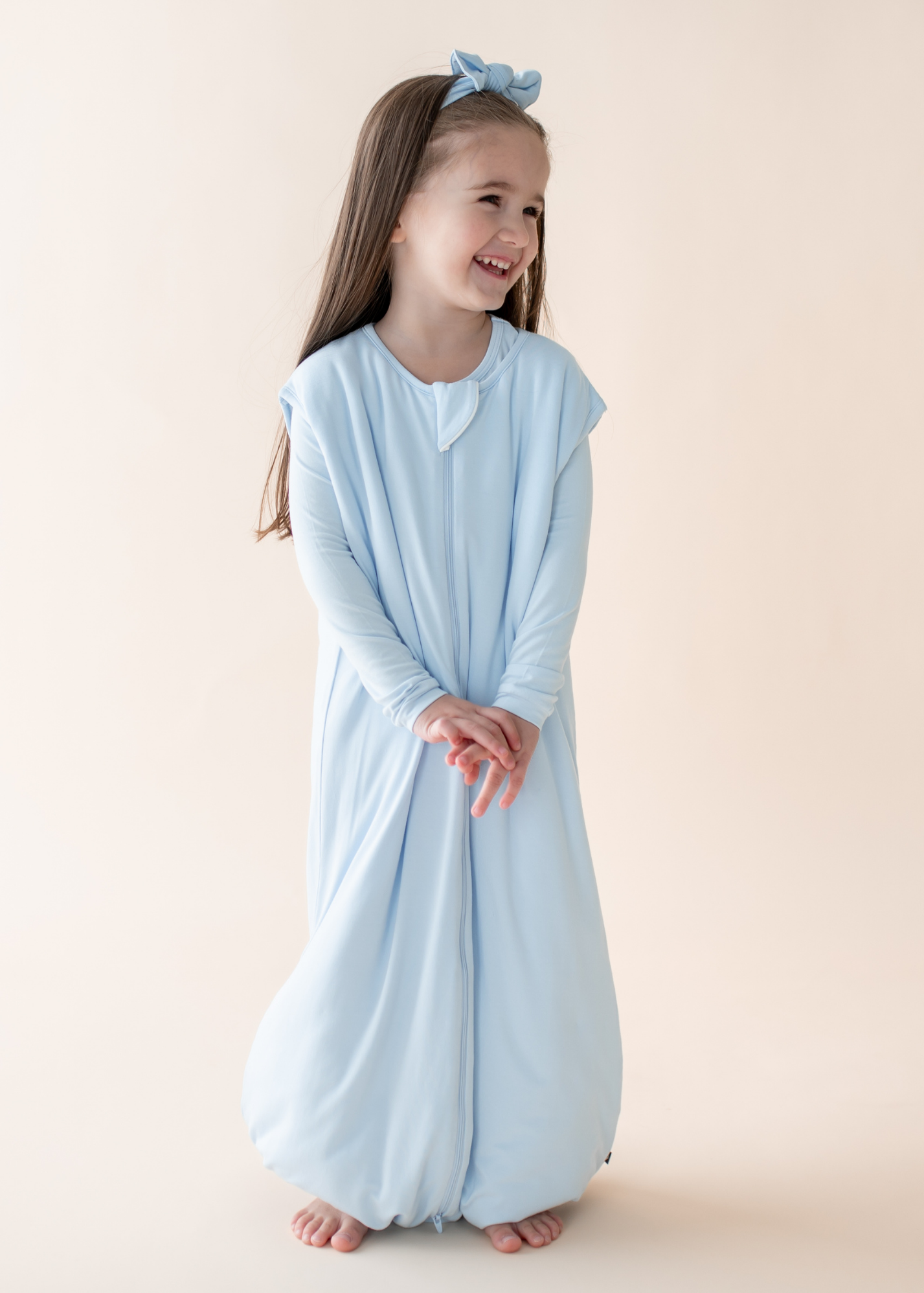
Parents often choose bamboo sleepwear because it combines comfort with practicality. It can also be found in various forms of baby sleepwear, including items like sleep bag walkers, which allow toddlers to move comfortably while staying warm.

Why Bamboo Fabric is One of the Softest Options for Baby Pajamas
Bamboo fabric stands out as one of the softest materials commonly used in baby sleepwear. The softness comes from the smooth fibers and fine yarn structure created during processing.
Unlike some fabrics that become rougher after repeated washing, bamboo fibers tend to maintain their smooth feel over time. This consistency makes it a popular choice for baby clothing that requires frequent washing. Another reason bamboo is often considered a premium pajama fabric is its flexibility. The fibers create a fabric that stretches comfortably while still maintaining its shape. This helps babies move naturally during sleep without feeling restricted.
Bamboo fabrics are also often used in bamboo pajamas designed for infants and toddlers because they combine softness with durability. Research also suggests that breathable fabrics can help reduce nighttime discomfort by supporting the body's natural temperature regulation. Organizations like the American Academy of Pediatrics provide guidance on creating safe sleep environments for infants.
Why Temperature Regulation Is Important for Baby Sleepwear
Temperature regulation is one of the most important factors when choosing baby sleepwear. Babies cannot regulate their body temperature as efficiently as adults, which means clothing plays a significant role in keeping them comfortable.
A poorly chosen pajama fabric may trap heat, causing a baby to sweat or wake up due to discomfort. Overheating is also associated with disrupted sleep cycles.
Breathable fabrics help regulate body temperature by allowing heat and moisture to escape. This creates a more stable sleep environment throughout the night. Sleepwear such as baby footies made from breathable bamboo fabrics can help maintain warmth without trapping excess heat.
According to sleep research published by the Sleep Foundation, maintaining a comfortable sleep temperature can improve overall sleep quality and duration. By choosing temperature-regulating fabrics, parents can create a more consistent sleep environment for their baby.
How Fabric Affects Baby Sleep Quality
Sleep quality depends on many factors, including lighting, noise, bedtime routines, and clothing comfort. The pajama fabric a baby wears can directly influence how easily they fall asleep and how long they stay asleep.
Soft fabrics reduce friction against the skin, making it easier for babies to settle down comfortably. Breathable materials help maintain a balanced temperature, preventing nighttime discomfort caused by overheating or sweating.
Another factor is flexibility. Babies stretch, roll, and shift positions throughout the night. Fabrics that allow movement without restriction help support natural sleep behavior.
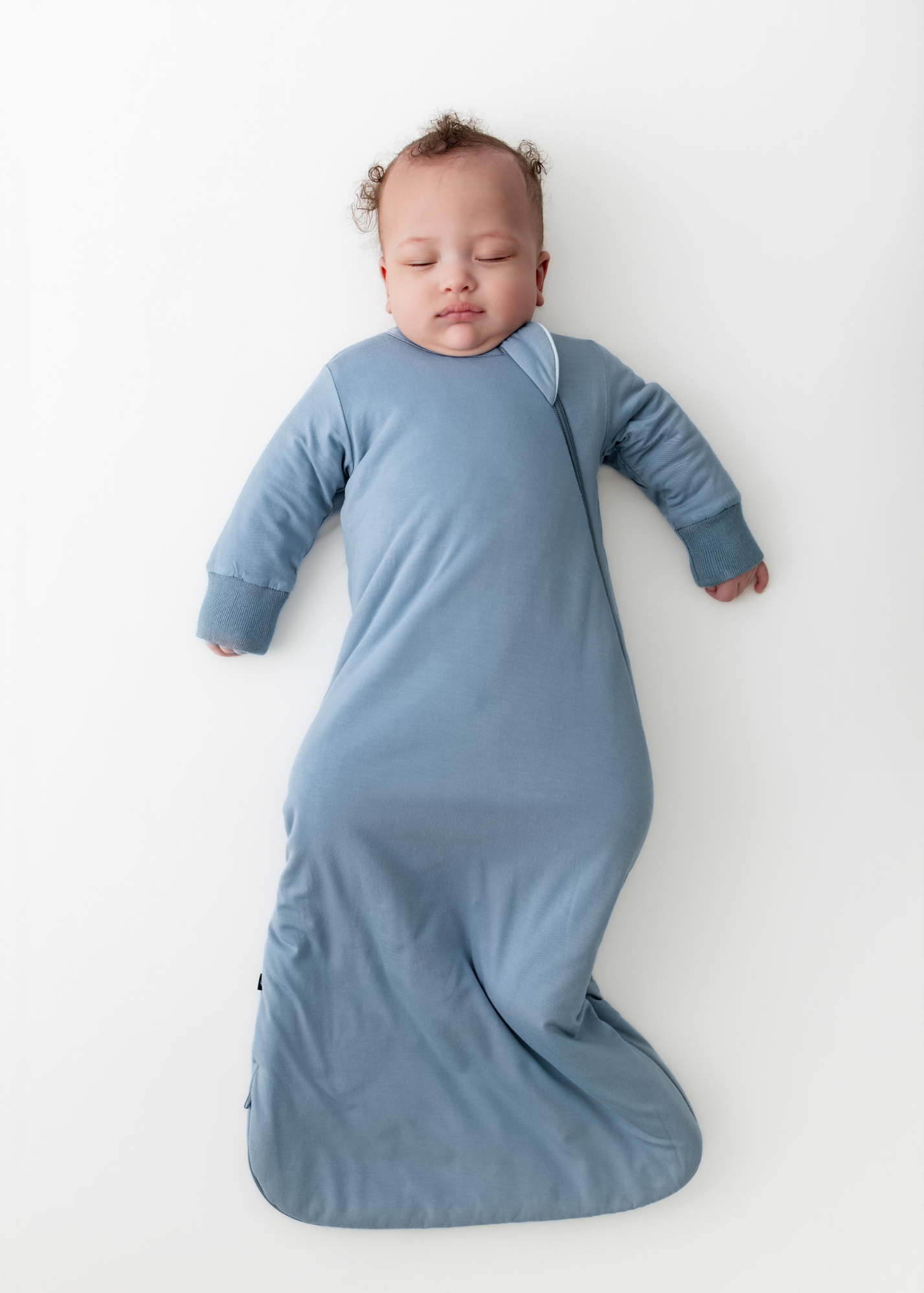
Parents often combine soft sleepwear with comfortable baby sleepwear layers to create a cozy nighttime routine that encourages longer stretches of sleep.
The goal is not just warmth but overall comfort that supports uninterrupted rest.
How to Choose the Best Pajama Fabric for Your Baby
Selecting the right pajama fabric may seem overwhelming given the number of materials available today. However, focusing on a few key characteristics can make the decision easier.
Look for fabrics that balance softness, breathability, and durability. Babies require clothing that feels gentle on the skin but can also withstand frequent washing.
Important factors to consider include:
- Breathability and airflow
- Moisture-wicking ability
- Stretch and flexibility
- Soft texture
- Skin sensitivity compatibility
Parents may also want to consider seasonal factors. Lightweight fabrics work well during warmer months, while slightly thicker breathable fabrics can provide comfort during cooler seasons.
Quality construction also matters. Smooth seams, minimal tags, and flexible cuffs help prevent irritation and improve overall comfort.
Common Pajama Fabrics to Avoid for Babies
While many fabrics work well for baby sleepwear, some materials may cause discomfort or irritation. Understanding which fabrics to avoid can help parents make better choices when shopping for baby pajamas.
Certain synthetic fabrics lack breathability and may trap heat against the skin. Others may feel rough or cause irritation for babies with sensitive skin.
Some fabrics parents often approach with caution include:
- Heavy polyester blends that trap heat
- Rough wool materials that may irritate skin
- Stiff fabrics with limited stretch
- Low-quality synthetics with poor breathability
That doesn't mean these materials are always unsafe, but they may not provide the same level of comfort as softer, breathable alternatives.
Parents looking for comfortable sleep options often prioritize softer fabrics designed specifically for babies and toddlers.
Conclusion: Why High-Quality Baby Pajamas Are Worth the Investment
Sleepwear plays a surprisingly important role in a baby's comfort and sleep quality. Choosing the right pajama fabric can help create a better sleep environment by supporting temperature regulation, reducing irritation, and allowing natural movement.
Soft, breathable materials help babies stay comfortable throughout the night, which can contribute to longer and more restful sleep. When combined with safe sleep practices and a consistent bedtime routine, the right sleepwear can make a noticeable difference.
Many parents find that investing in well-made sleepwear made from high-quality fabrics helps improve overall comfort for their child.
Brands like Kyte Baby focus on soft, breathable materials designed with baby comfort in mind, helping families create cozy sleep routines that support better rest for both babies and parents.