
















One of the most overwhelming things about becoming a parent is realizing just how many things inside your home (and outside of it!) pose a danger to your baby. Even the most innocuous of items can become a threat, and things get even trickier once your little one becomes mobile. It’s because of this that baby proofing is standard practice for new parents.
Keep Your Little One Safe with These Baby Safety Basics
Between 6-12 months, they start to crawl and get into everything and anything. With their instinct to mouth every item they can get their hands on, anything small enough to lodge in their airway becomes a choking hazard.
They might pull down chairs and other heavy objects, open drawers and cabinets, and find danger wherever it may lie. Although covering sharp edges, installing baby gates, and placing latches on your kitchen cabinets are all necessary steps toward creating an environment in which your baby can safely explore, there are also other bases you should cover before your baby is born to ensure their health and safety.
Babies are naturally curious creatures, and should never be underestimated in their ability to get into all sorts of trouble. Because September is National Baby Safety Month, it’s a perfect time to brush up on some of these major safety tips. Remember, you can never be too careful when protecting your little one.

Car Seat Safety
Although a car accident may be something you don’t have the power to prevent, you do have the power to keep your baby as safe as possible in the event of a crash by following car seat safety rules. With so many different car seats in the market, it’s easy to feel overwhelmed and unsure of which product to choose. It’s important to factor in the size of your vehicle as well as its seat angles.
When scientists from the Ohio State University College of Medicine checked compatibility between 61 cars and 49 car seats on the market, they found that they were not aligned 40% of the time. A bulky car seat shouldn’t be installed in a small vehicle if it simply doesn’t fit, and the angle of the vehicle seat should be considered when reclining a rear-facing car seat. Always read the car seat manual thoroughly and follow the instructions for installation to keep your baby safe when they are riding in your vehicle.
Are Car Seat Accessories Safe?
While certain car seat accessories, such as a dangling toy or extra padding, may keep your baby more content during a car ride (and, trust us, we know how stressful having a staunch car seat hater can be), using any accessories that do not come with your car seat or are not approved by its manufacturer can do more harm than good.
Accessories can affect the performance of the car seat during a crash. When a car seat manufacturer approves the use of an accessory, that means they have done crash testing with the item and have deemed it to not affect the crash performance of their car seats.
Rear-Facing vs. Forward-Facing
The American Academy of Pediatrics (AAP) also recommends that parents keep their car seats rear-facing until their child outgrows the rear-facing limits. A rear-facing child is safest in the event of a crash because their back, head, and neck are supported. Once they forward-face, their risk of spinal and neck injury increases.
Never Leave Your Child Unattended in a Car
Even with all the car seat features that keep your baby safe, there are other common dangers that can occur when a child is left in the car unattended. Never leave your baby in the car alone, no matter how quickly you think you’ll be able to get something done. Cars can heat up very quickly in almost all weather conditions, even with the windows rolled down, and heatstroke is one of the leading causes of vehicle-related deaths for children under 14. Leaving the keys in the ignition to keep the air conditioner running is also highly unsafe, as it leaves your car accessible and your child vulnerable.

Water Safety and Drowning Prevention
Never leave your baby unattended around water. Although a shallow kiddie pool may hardly seem like a danger, reality is that babies can drown in as little as an inch of water. Always actively supervise your child when they’re in the bath or a pool, and don’t let yourself be distracted by a phone call or text.
Drowning often happens quickly and silently, so it’s important not to underestimate the danger that water poses to your little one. Babies can slip out of a bath seat or tip forward and drown in seconds. Behind car crashes, drowning is the second leading cause of death for children under 14. For babies under 1 who drown, it most often happens in a bathtub, bucket, or toilet.
While it’s easy to feel removed from another parent’s tragedy, the reality is that these accidents can happen to anyone. To prevent drowning, make sure to keep the toilet lid closed, use a latch to secure the lid, and keep the bathroom door closed. Empty all tubs, buckets, inflatable pools, and containers immediately after use, and keep them out of your child’s reach. Even if you have taken a CPR course in the past, it’s always a good idea to take an infant CPR course as a refresher so you are equipped with the knowledge to act quickly if ever necessary.

Safe Sleep Practices
Every parent’s biggest fear in the first year of their baby’s life is Sudden Infant Death Syndrome (SIDS). It is the sudden, unexpected, and unexplained death in a seemingly healthy baby that usually occurs during sleep. Although the exact cause of SIDS is unknown, there are several known factors associated with the likelihood of SIDS, which include a baby’s sleep environment.
Creating a Safe Sleep Environment for Infants
Remember to always follow the AAP’s safe sleep guidelines, which include always placing your baby on their back to sleep in their own sleep space alone, keeping their sleep space free of any bumpers, padding, loose blankets, pillows, stuffed toys, and other soft items, and using a crib, bassinet, or play yard with a firm, flat mattress and fitted sheet. Although there’s no guaranteed way to prevent SIDS, following these safe sleep guidelines can help reduce your baby’s risk.
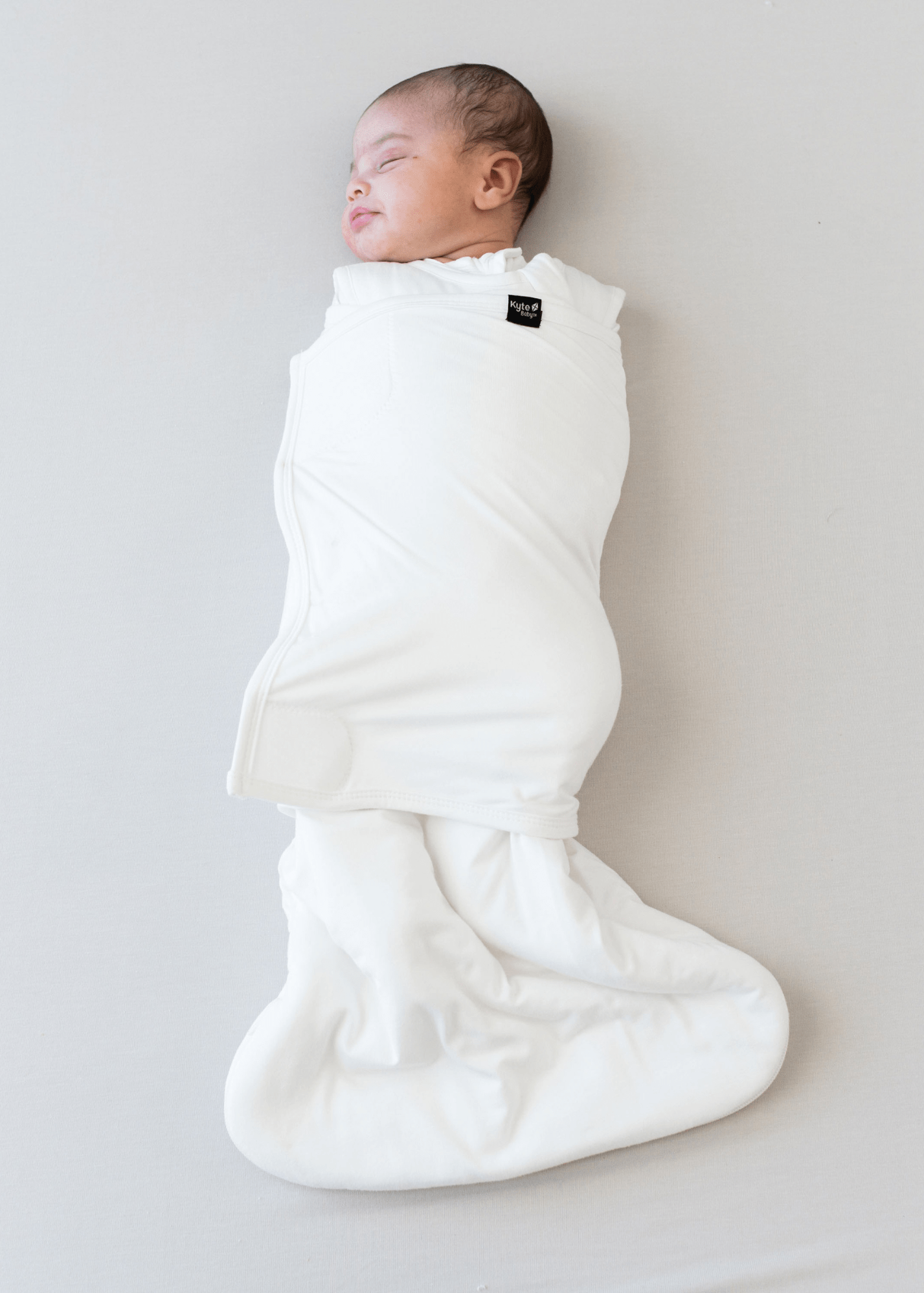
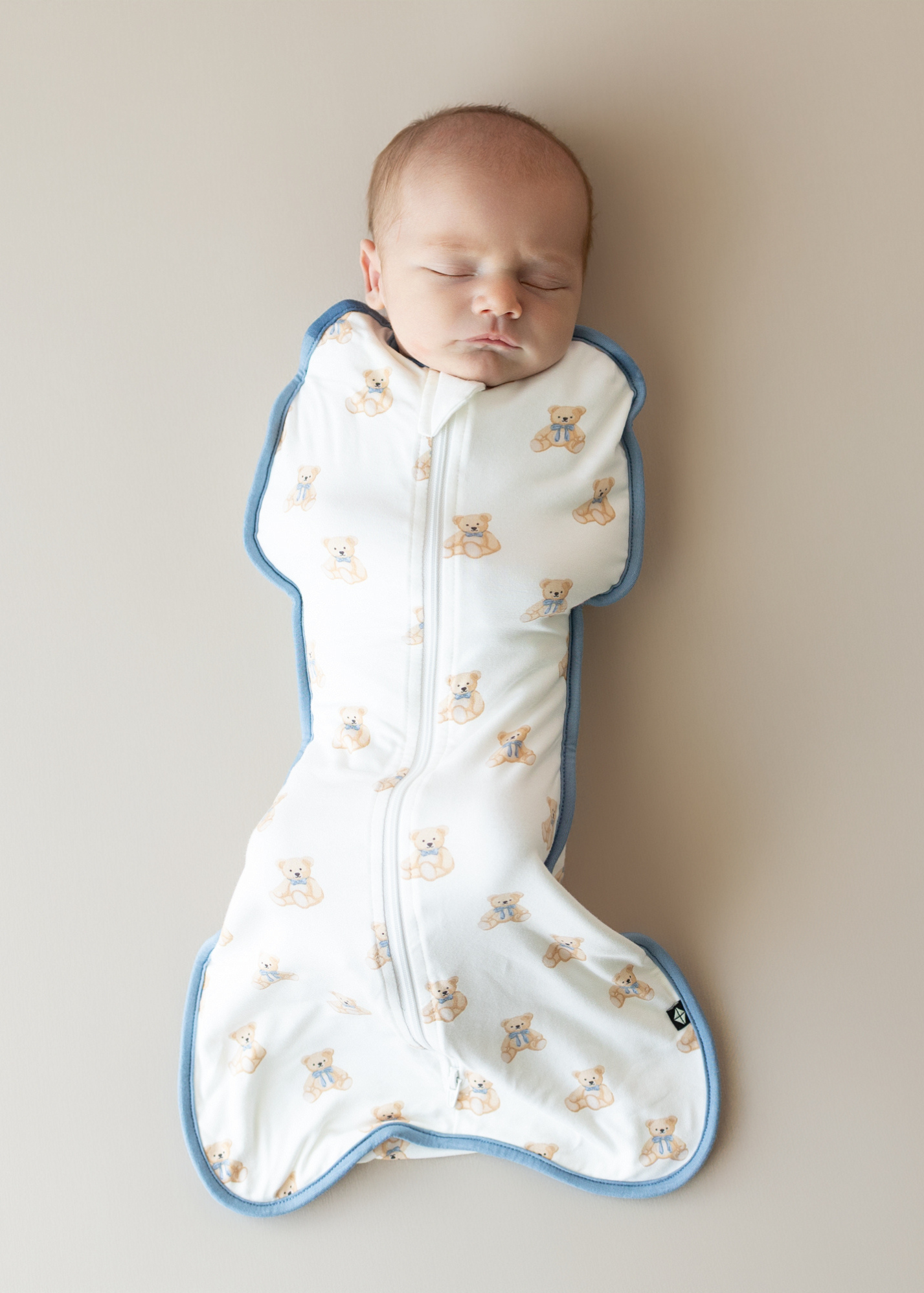
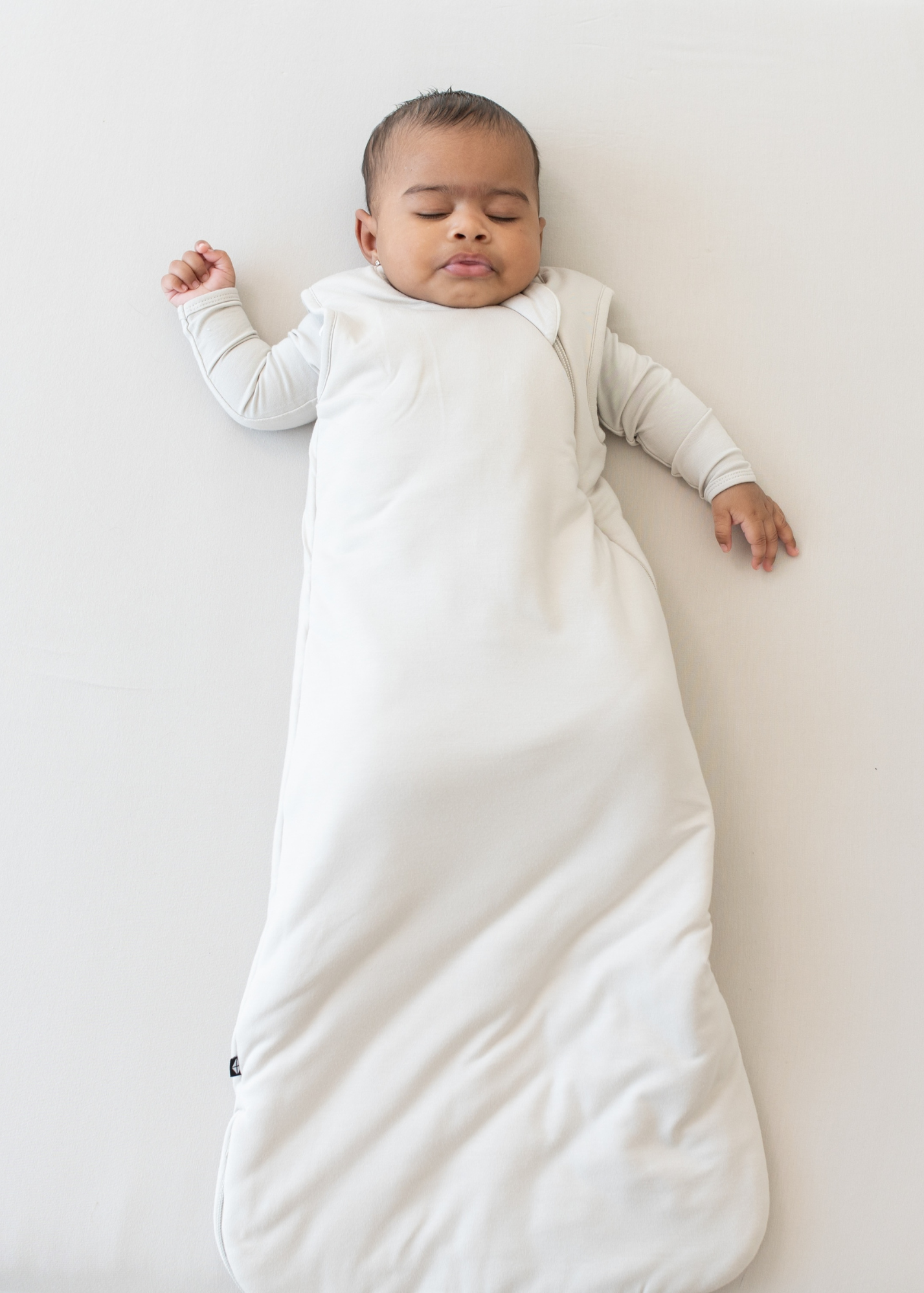
One of the conundrums that comes with not being able to put a blanket over your baby in their crib is the worry that they’ll be too cold during the night. Using a sleep bag is a wonderful alternative to a loose blanket that keeps your baby warm while still following the AAP guidelines for safe sleep. Using a sleep bag made from bamboo with temperature-regulating properties can also keep your baby from overheating, which is another risk factor for SIDS. With a soft, breathable wearable blanket, your little one can stay comfortable all night long and you can rest easy knowing that they’re cozy and safe.

Baby Proofing Your Home
Baby proofing is a necessary step all new parents should take before their babies can crawl. Follow our comprehensive baby proofing guide to set up simple systems to block access to dangerous items. Go room to room and make sure that each room is evaluated and modified to be a safe environment for your little one to explore.
Shorten Cords on Blinds or Switch to Cordless Window Coverings
If your window blinds have drawstring cords, make sure you tie them up so they are shorter than 6 inches and keep them out of your baby’s reach, or make the switch to cordless window coverings. Children can strangle when they wrap the cords around their neck or become trapped in the loop when loose cords are entangled.
Move Cleaning Products Out of Reach
As most people keep household cleaners under their bathroom or kitchen sink, either move these products to a high location out of your baby’s reach, or install latches on the cabinet doors to keep little hands out.

Avoid Button Batteries
Many children’s toys operate with button batteries, a small, coin-shaped battery that’s also used in watches, remote controls, calculators, and other electronic devices. If swallowed, these batteries can cause serious injury or death in as little as two hours. Not only can a swallowed battery get stuck in the esophagus and become a choking hazard, the battery’s electrical charge can cause serious internal burns as it moves through the digestive system. If you find a toy or a device with a battery missing and you suspect that your child might have swallowed it, be on the lookout for these symptoms:
- Sudden onset of crying
- Nausea and vomiting
- Coughing
- Drooling
- Noisy breathing
- Abdominal pain
- Breathing problems
- Bloody saliva, vomit, or stool
- Throat pain
- Refusal to eat or drink
If your child has any of these symptoms, go to the emergency room immediately. However, if you know or suspect that your child has swallowed a battery, bring them to the ER even if they aren’t showing these symptoms. Call 9-1-1 or go to the ER immediately, don’t try to induce vomiting, and don’t let your child eat or drink.
Toys that operate with a button battery should have battery cases that are screwed on so that children can’t open them. To prevent your child from accidentally swallowing a battery, check your child’s toys regularly to make sure that they aren’t broken, and throw away broken toys right away.
Your Family’s Safety is Our Top Priority
These tips and tricks should help you get started on your journey to understanding how to keep your little one safe at home and while you’re out and about. With these facts and the latest advice in your parenting arsenal, you’ll feel confident that you’ve done your part to protect your baby. You’ve got this!