


















Infant Sleep Guide: Tips for Safe Sleep, Swaddling, and Bedtime Routines
If there’s one thing all parents dream about, it's a full night of sleep. But between late-night feedings, diaper blowouts, and your kiddo’s unpredictable snooze schedule, rest can feel like a distant memory. That’s why creating a soothing sleep space with safe, comfy crib bedding is such a game-changer.
From soft crib sheets that stand up to endless laundry cycles to a trusty infant swaddle or infant sleep sack that helps your tiny dreamer drift off peacefully, the right setup makes bedtime feel less like a battle. And let’s be real – when your baby snoozes soundly, everyone in the house gets a better night.
Understanding Newborn Sleep Cycles
Newborns are professional catnappers, snoozing in short stretches that add up to 14 to 17 hours a day. During this stage, sleep is a mix of short naps and brief stretches, which means parents often feel like they’re on call around the clock.
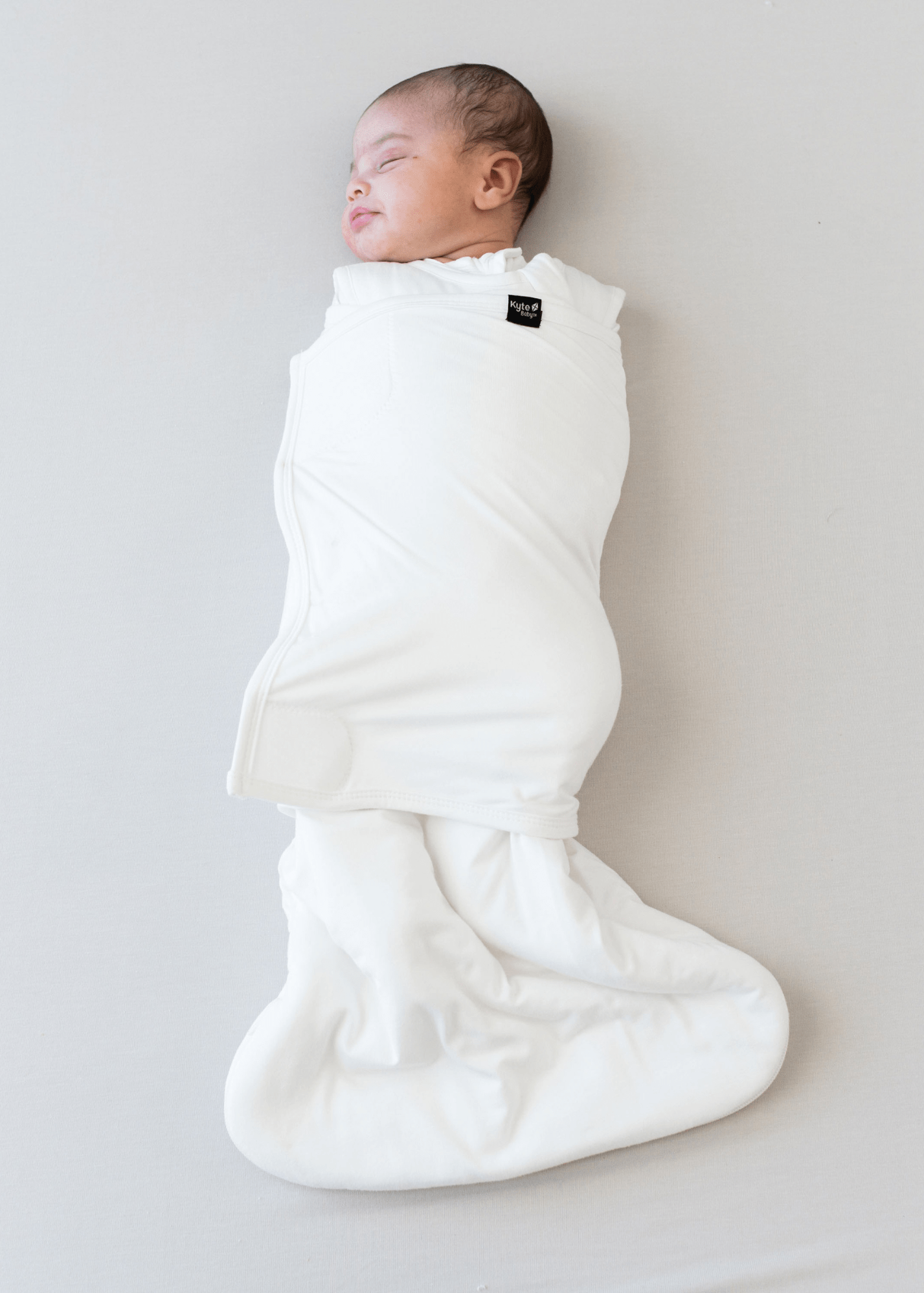
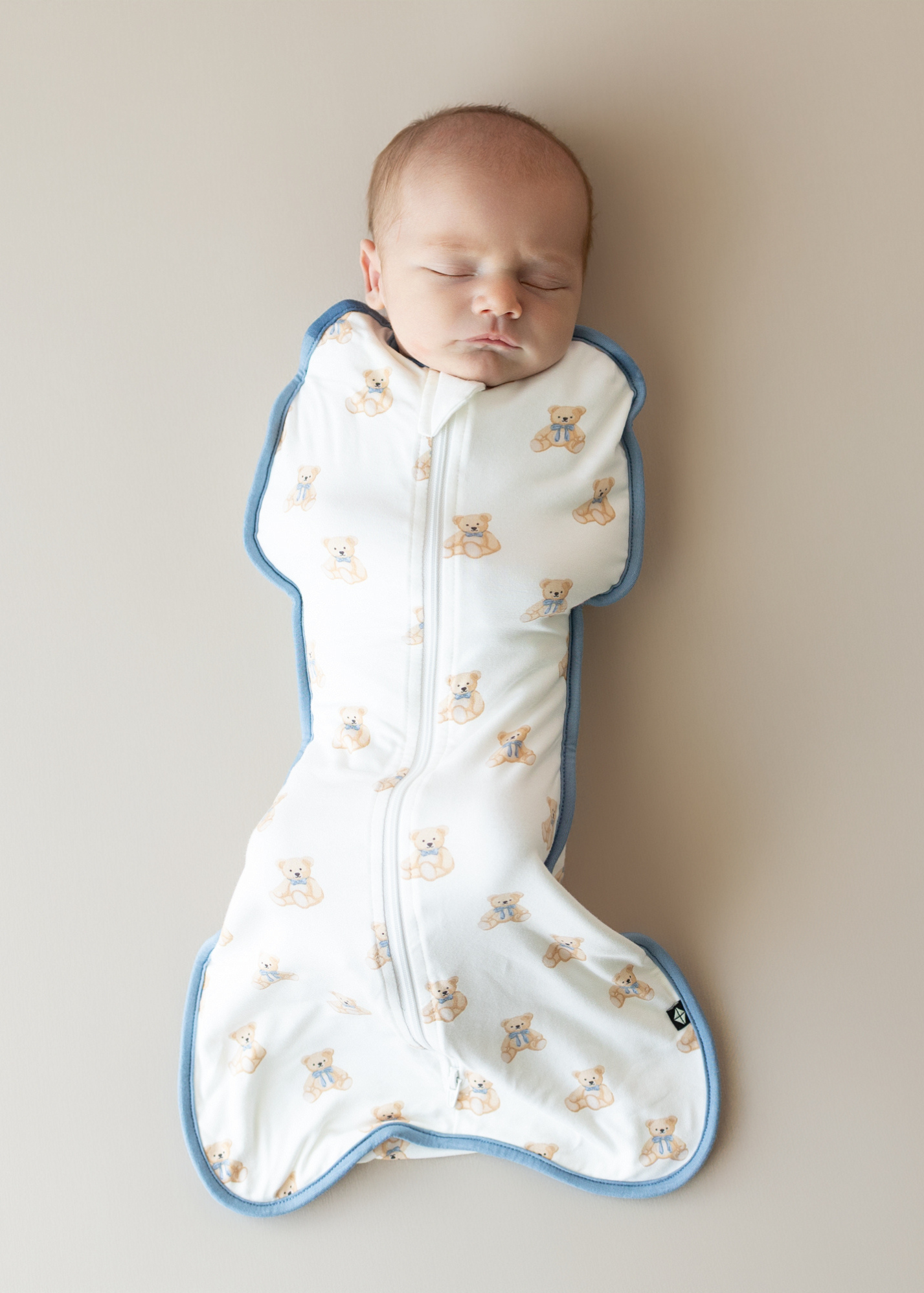
An infant swaddle blanket can be especially helpful here, calming the startle reflex (also known as the Moro reflex) and keeping your little one snug, while an infant sleep sack offers a safe, cozy option from day one. When paired with soft fitted crib sheets, both baby sleep solutions support better rest for your little one and peace of mind for you.
Infant Sleep Cycles
As babies grow past the newborn stage, their sleep begins to consolidate into lengthier stretches. Those early catnaps gradually give way to more predictable snooze patterns, which means parents can finally catch a glimpse of what restful nights can look like. A solid setup with soft crib sheets helps create the soothing environment that encourages those longer stretches.
 Since infant swaddles should be phased out around two months and loose blankets are a no-no in the crib, many families prefer an infant sleep sack for comfort and safety in this phase. The sleep bag keeps your kiddo warm without excess fabric, supporting the longer, deeper sleep their growing bodies and developing brains need.
Why Do Infants Wake So Much?
Even as sleep stretches lengthen, frequent wakeups are completely normal. Here are a few of the most common reasons your child stirs throughout the night:
- Hunger – Tiny tummies need frequent refueling, which means overnight feedings are essential, especially in the first few months.
- Comfort – Babies often wake just to feel the warmth of your arms or the reassurance of your presence. A newborn swaddle or infant sleep sack is the best way to provide that comfort in between cuddles.
- Developmental leaps – Growing brains and bodies are hard at work, and those new skills (rolling, smiling, or babbling, to name a few) can make nighttime more restless.
-
Adjusting to the world – Newborns are still acclimating to sights, sounds, and sensations outside the womb, so their sleep is lighter and easily interrupted.
Transitioning to Toddler Sleep
Toddler sleep is a whole new ballgame, with newfound independence and energy sometimes making bedtime a challenge. Consistency in routine, paired with a safe, comfy setup (like breathable crib sheets), will help your little one understand when it’s time to wind down and maybe even look forward to bedtime. At this stage, it’s about setting limits but also keeping bedtime positive, so your toddler feels secure and knows what to expect each night.
Safe Sleep Guidelines for Infant Crib Bedding
Safe sleep is one of the biggest worries for new parents, and the American Academy of Pediatrics (AAP) makes it simple with a few golden rules. Babies should be placed on their backs to sleep on a firm, flat surface with only fitted crib sheets – no loose blankets, pillows, or stuffed animals in the crib. Keeping the sleep space clear helps lower risks and gives parents extra peace of mind.
That doesn’t mean comfort has to go out the window. Instead of blankets, an infant swaddle or infant sleep sack will keep your child warm while sticking to the guidelines. These safe alternatives let parents rest easy knowing their kiddo can snooze safely and soundly.
Creating the Best Sleep Environment for Babies
The ideal sleep environment in your baby's nursery can make a big difference in how quickly they drift off. Experts recommend keeping the room cool, around 68-72 degrees, since babies sleep better when they’re not too warm. Soft white noise can also help drown out the sounds of barking dogs or creaky floorboards, creating a steady backdrop for a restful sleep.
Lighting sets the mood, too. Blackout curtains or a dim nightlight help signal to your infant that it’s time to rest, even during daytime naps. Pair these conditions with silky crib sheets, and your little one has a calming spot to easily drift off to dreamland.
Why Fitted Crib Sheets Are Essentials for Infant Sleep
Beyond creating the right environment, fitted crib sheets and mini crib sheets can help ensure a good night's sleep, as they are designed to hug the mattress tightly, creating a secure surface that won’t shift during naps or nighttime wiggles. Beyond safety, crib sheets are a practical lifesaver – simple to swap out after messes and easy to keep fresh with regular washes. Choosing breathable fabrics means your little one’s space stays cool, clean, and ready for dream time.
 Choosing the Right Crib Bedding for Your Baby
When picking crib bedding for your infant, the right fabric can be a game-changer, and breathable rayon made from bamboo is at the top of the list. Bamboo crib bedding isn’t just soft – it's packed with features that keep babies comfortable and happy through naps and nighttime sleep.
Here’s why bamboo crib sheets are the top choice for baby bedding:
- Bamboo crib sheets are incredibly soft and gentle, perfect for soothing sensitive skin or symptoms of eczema (an allergy that often appears before the age of 5).
- The fabric breathes and wicks away moisture, helping regulate your baby’s temperature and keep them dry for comfy sleep.
- Bamboo crib sheets withstand countless washes, making them a lifesaver for everyday messes and spills.
- Bamboo is sustainably grown, making it an eco-friendly choice that parents can feel good about.
While no crib bedding can magically make your baby snooze through the night, when they are cozy and irritation-free with bamboo crib sheets, it’s a lot easier for everyone to settle into sweeter, longer stretches of sleep.
Infant Swaddles to Support Calm Sleep for Newborns
An infant swaddle blanket is a soft, secure wrap that helps newborns feel contained and calm. Swaddles provide a comforting, womb-like sensation that can reduce fussiness and the startle reflex and make settling into sleep easier. Using an infant swaddle properly gives your baby a sense of security while supporting healthy sleep habits during those first months.
How to Use an Infant Swaddle Safely
While an infant swaddle can be a lifesaver during those newborn days, it’s important to swaddle the right way to keep your baby safe and sound. Follow these simple steps for the diamond swaddle and the square or quick swaddle:
How to do The Diamond Swaddle:
- Lay a lightweight infant swaddle blanket flat in a diamond shape and fold down the top corner about 6 inches.
- Place your newborn on their back, with shoulders just below the folded edge.
- Gently wrap one side of the blanket over your baby’s body and tuck it securely under their back.
- Fold the bottom of the swaddle blanket up over the feet.
- Wrap the remaining side across your newborn’s chest and tuck it under the back, leaving enough room for hip movement.
- Always make sure the infant swaddle is snug around the torso but loose around the hips and legs to prevent hip dysplasia.
How to do the Square Swaddle or Quick Swaddle:
- Spread a soft infant swaddle blanket in a square shape, folding down the top corner about 6 inches.
- Lay your baby on their back, with their shoulders just below the folded edge, positioned diagonally on the blanket.
- Bring the right side of the blanket across your newborn’s body and tuck it tightly (but still gently) under their left side, leaving room at the hips.
- Fold the left side over and tuck it under the right side, again keeping the hips free to move.
- Fold the bottom of the infant swaddle blanket up and tuck it gently under your little one’s feet.
When to Stop Using an Infant Swaddle
Infant swaddles are wonderful for newborns, but it’s important to know when to retire the wrap. Most babies are ready to stop once they show signs of rolling over or by eight weeks of age, whichever comes first. Continuing to swaddle after this point can increase the risk of suffocation, so transitioning to an infant sleep sack or wearable blanket allows your little one to move freely while still staying cozy at bedtime.
Meet the Sleep Bag Swaddler
Sleep bag swaddlers are the two-in-one bedtime superhero that grows with your baby. In the early weeks, the removable swaddle wrap keeps your newborn safe and secure. Once your tiny human starts wiggling and rolling, the Velcro wrap comes off, transforming the infant swaddle into a classic infant sleep sack that still keeps them comfy and safe.
 What is an Infant Sleep Sack?
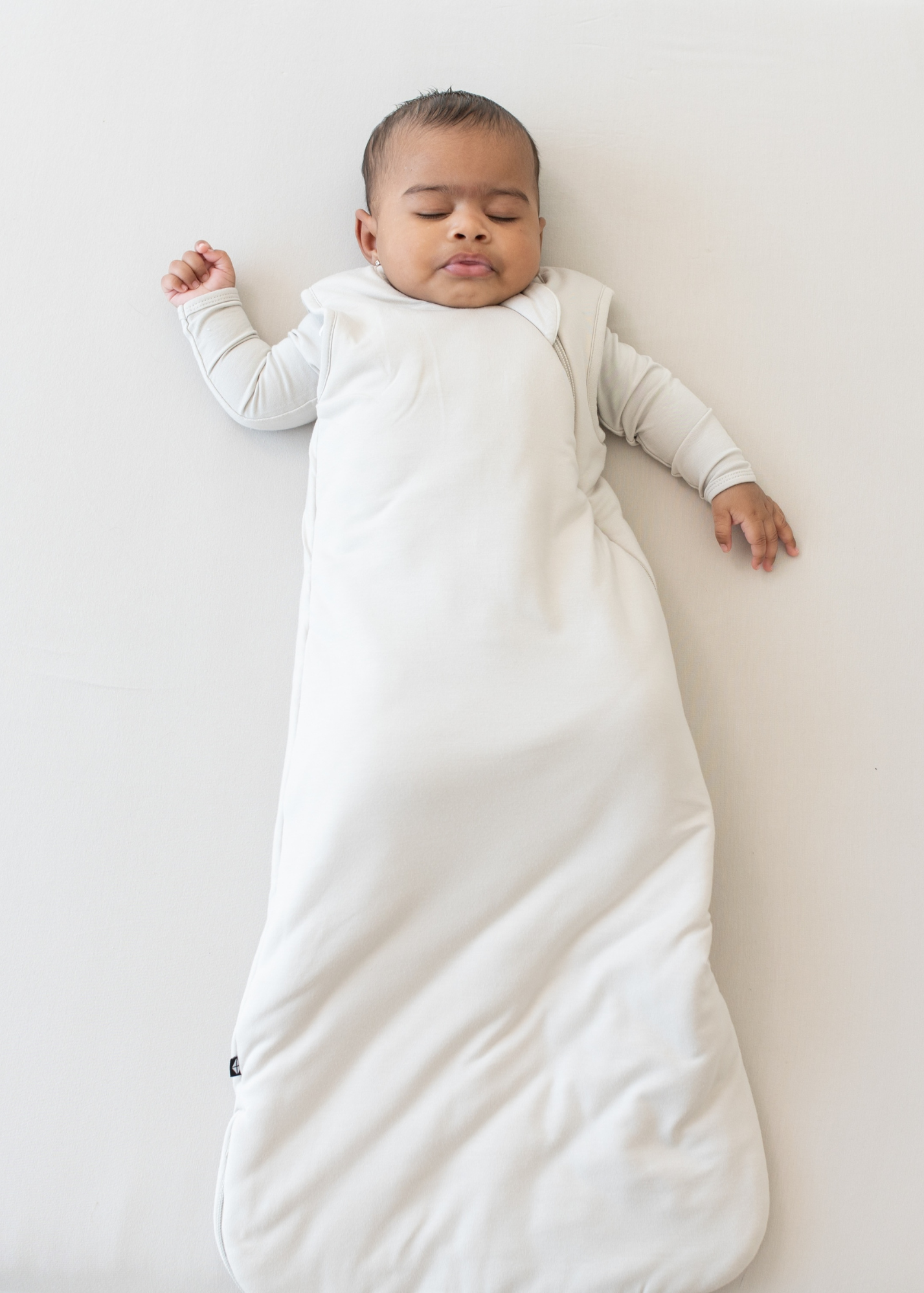
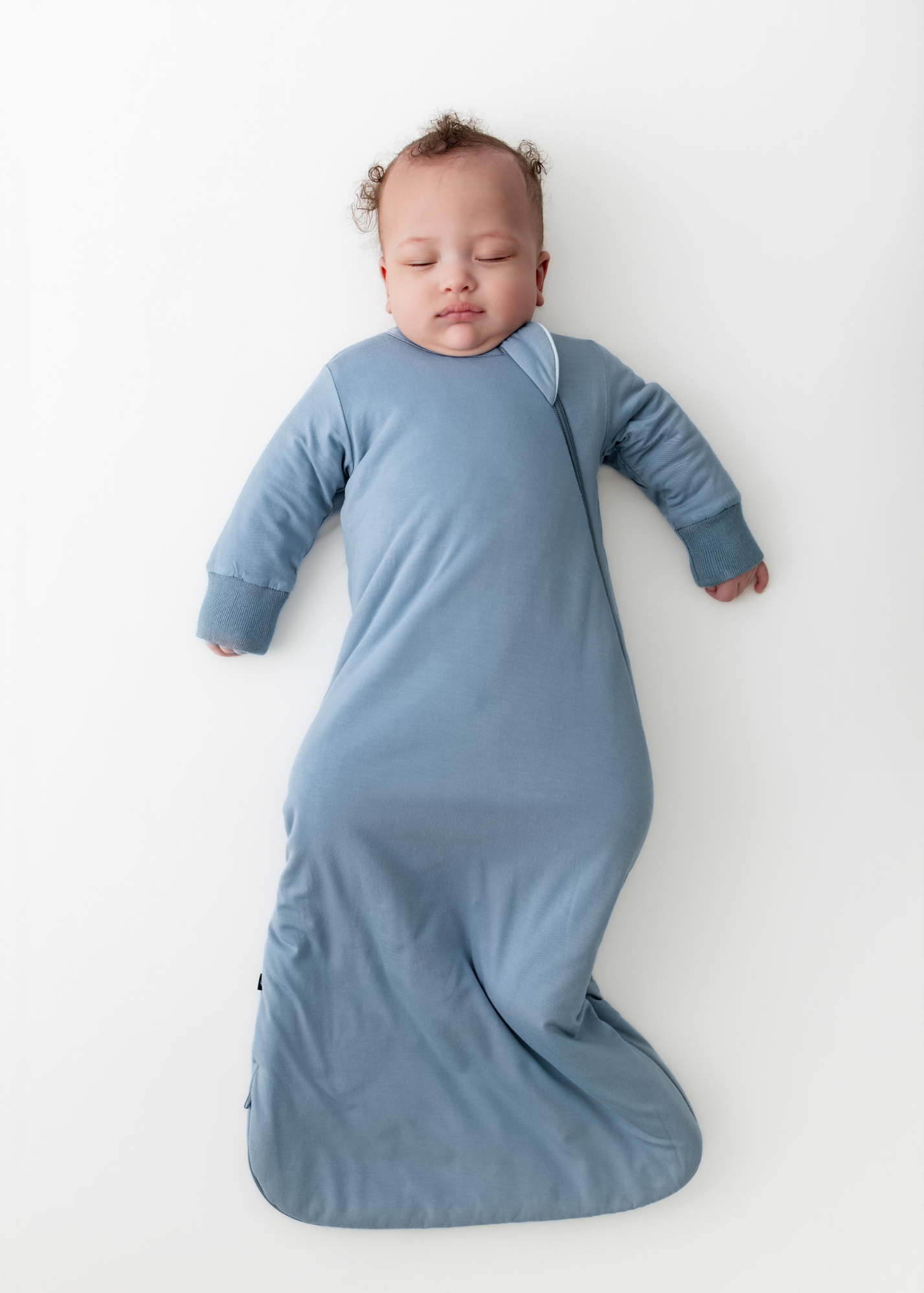
Also called a sleep bag or wearable blanket, an infant sleep sack is a less restrictive option that zips on and gives babies the freedom to move their arms and legs while still providing the comfort of a cozy blanket. Infant sleep sacks allow your baby to explore movement in their sleep without loose blankets, making the transition from swaddled to independent sleep smooth and safe.
A J-shaped double zipper makes for easy middle-of-the-night changes, and the breathability of our signature rayon made from bamboo fabric offers buttery comfort. With various options for TOG ratings, your little one will stay at the perfect temperature for optimal snoozing in any environment.
What is a TOG Rating?
TOG stands for Thermal Overall Guide, a measurement that indicates how warm a fabric is. It’s an important measurement because babies do not regulate their own temperature well, so it’s up to us to help them!
The higher the TOG rating, the warmer the infant sleep sack. For instance, a 0.5 TOG sleep bag is lightweight and breathable (ideal for warmer environments) while a 2.5 TOG infant sleep sack offers more insulation, perfect for wintery nights.
Choosing the Right TOG for your Baby
Selecting the appropriate TOG for your baby’s infant sleep sack depends on the ambient temperature of their nursery, not the outdoor temperature. Here are some specific TOG guidelines to follow for your infant sleep bag:
- 0.5 TOG – For room temperatures between 74 and 78 degrees Fahrenheit.
- 1.0 TOG – For room temperatures between 69 and 73 degrees Fahrenheit.
- 2.5 TOG – For room temperatures between 61 and 68 degrees Fahrenheit.
Establishing a Bedtime Routine for Your Baby
Creating a bedtime routine can help signal to your baby that it’s time to wind down and make sleep more predictable. Even simple, consistent steps can make a big difference in helping your little one feel secure and ready to rest. Routines also give parents a chance to carve out a moment of calm in the evening – because let’s be real, those first few months can be chaotic!
Here’s a simple baby sleep routine to try:
- Be sure to begin your baby’s bedtime routine around the same time each night
- Start with a soothing bath around 90 minutes ahead of bedtime
- Place your little one in a clean diaper and get them dressed in their bamboo pajamas and infant swaddle or infant sleep sack to signal bedtime
- Start lowering the lights in the nursery 20-30 minutes before bedtime
- Read a book aloud to help them sleep better and improve language skills
- Give them their last feeding around 15 minutes before bed
- Sing a sweet lullaby to help your baby relax and drift off to sleep
Infant Sleep Tips for On-the-Go
Not every night will finish with your perfect bedtime routine. When life takes you out of the nursery, keeping things consistent can feel tricky. We always recommend bringing along familiar sleep items, such as your infant sleep sack and favorite crib sheets, to help signal bedtime and create a sense of familiarity and comfort, even in new spaces.
Portable sleep gear is a true lifesaver for parents on the go. Compact travel crib sheets, lightweight infant sleep sacks, and foldable infant swaddle wraps make it easier to stick to safe sleep practices while traveling, visiting family, or spending the day at daycare. With a few key items, your little one can nap or snooze peacefully no matter where they are.
 Sleep may feel like a moving target in that newborn haze, but creating a safe, nurturing, and consistent sleep environment can make a world of difference for both babies and parents. From cozy crib sheets to infant swaddles and infant sleep sacks, the right setup helps your little sleeper feel secure while supporting healthy sleep habits.
Pairing these with a predictable bedtime routine can turn chaotic nights into calmer, more restful stretches for everyone in the house. Remember, every baby is different, and finding what works for your little one is part of the adventure – sweet dreams are just around the corner!